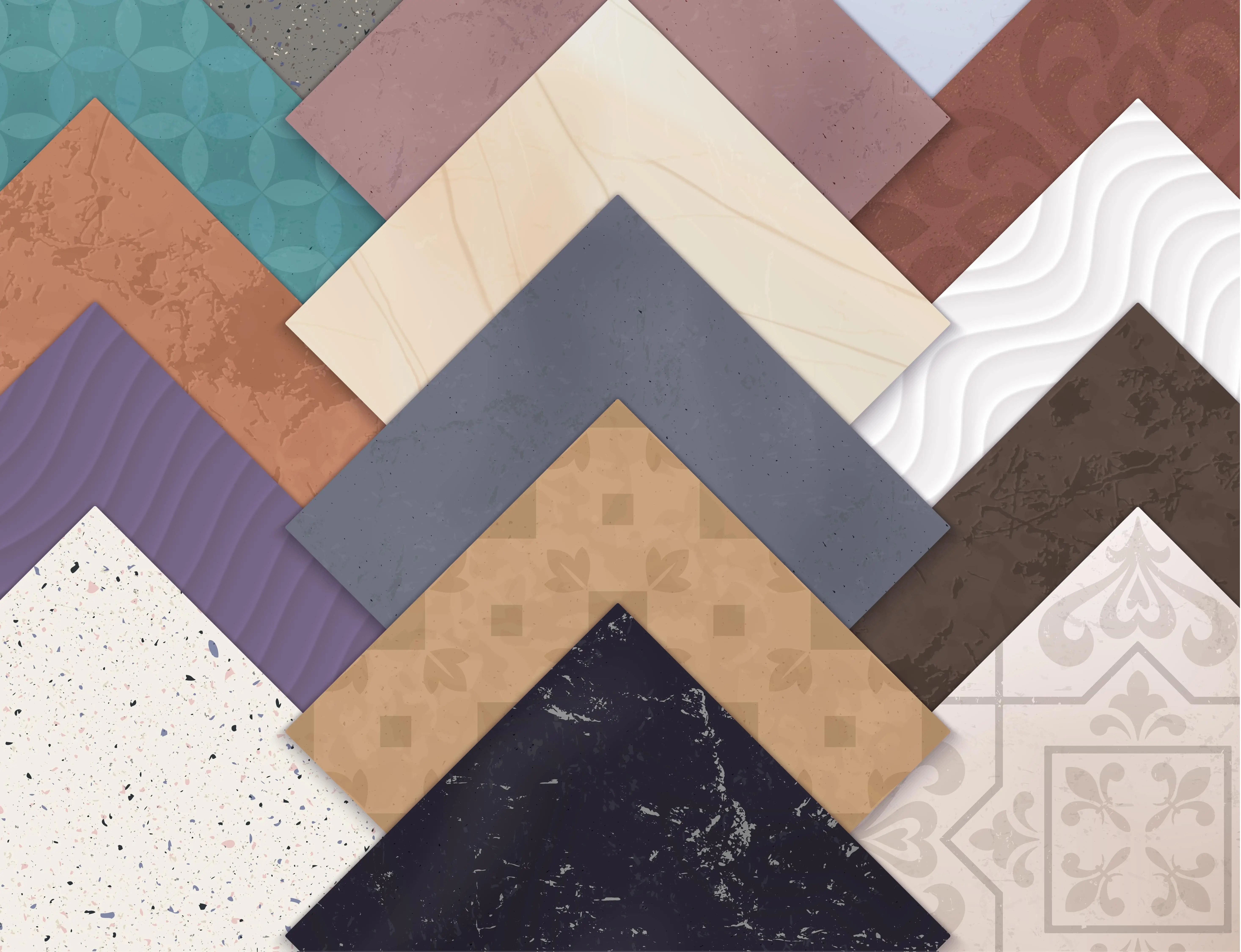
The white, chalky residue appearing on your surfaces is limescale. It is caused by mineral-rich water evaporating, and choosing the best bathroom tiles for hard water is the most effective way to maintain a clean aesthetic long-term.
For homeowners in borehole-dependent areas like Syokimau or Kitengela, ignoring this reality often results in dark floors that look permanently dusty and neglected within weeks of installation, regardless of how strictly you scrub them.
To see a curated collection of suitable options, you can browse our online tile shop.
The Cause of White Stains Explained Hard Water Mineral Deposits
Hard water contains high concentrations of dissolved minerals, specifically calcium and magnesium. When water splashes onto your shower walls or pools on the floor, it eventually evaporates, but these heavy minerals remain behind.
They crystallise into a rock-hard layer known as limescale, which manifests as that stubborn white haze or crusty spotting on your tiles.
This buildup does more than just look unsightly; it physically alters the texture of your bathroom. A smooth, glazed ceramic tile eventually feels rough and gritty to the touch as the mineral deposits accumulate.
In regions relying on borehole water, this process happens rapidly, turning a pristine spa-like bathroom into a space that feels unhygienic and aged well before its time.
Safe Cleaning Methods for Limescale on Bathroom Tiles
The instinct to attack these stains with aggressive chemicals is common, but this approach often leads to irreversible damage. A simple solution of equal parts white vinegar and warm water breaks down the alkaline mineral deposits safely.
Spray this mixture onto the tiles and let it sit for ten minutes. This process softens the scale, allowing you to wipe it away with a non-abrasive sponge without scratching the tile surface.
A Critical Warning on Harsh Acid Cleaners
You must avoid using "Spirit of Salts," a harsh acid cleaner frequently sold in Kenyan hardware stores, on your bathroom tiles. This acid removes the stain instantly, but it also eats away the protective factory glaze of ceramic and porcelain tiles.
Once that glaze is stripped, the tile becomes porous. It will absorb dirt and water like a sponge, leading to permanent, dark staining that no amount of cleaning can fix within six months.
Daily Habits to Prevent Hard Water Buildup
Physical removal of water is the only way to stop deposits from forming. Keep a rubber squeegee in the shower and run it over the glass and wall tiles immediately after use.
This simple action prevents droplets from evaporating in place. This ten-second habit keeps the surface smooth and reflective, significantly reducing the frequency of deep cleaning required.
Preventative System Strategies for Hard Water
Beyond manual cleaning, interrupting the mineral cycle saves your bathroom finishes. Installing a water softener at the main inlet treats the water before it reaches your taps.
This system removes the calcium and magnesium responsible for the buildup. The initial investment for a water softener is higher than buying cleaning products, but it preserves the sheen of your tiles and protects expensive mixer taps from internal corrosion.
Selecting Bathroom Tiles to Camouflage Hard Water Stains
Your design choices dictate how visible the limescale becomes. The best bathroom tiles for hard water are those that do not fight the environment but rather work with it to mask the inevitable buildup.
Selecting the right material, finish, and colour palette prevents the daily frustration of seeing white spots immediately after cleaning.
Best Tile Materials for Hard Water Resistance
Full-body porcelain tiles offer superior resistance compared to standard ceramics. Porcelain is fired at higher temperatures and is denser, so it has an incredibly low water absorption rate of less than 0.5%.
This density means the minerals sit on the surface rather than penetrating the body of the tile, making them easier to clean without risking the structural integrity of the floor.
Ideal Tile Finishes to Mask Mineral Buildup
High-gloss black or deep navy tiles act like mirrors for limescale; every dried droplet stands out as a stark white blemish. Extremely rough, slate-like textures trap minerals in their crevices, making them nearly impossible to scrub clean.
The ideal balance is a satin or "lappato" finish. This surface is smooth enough to wipe down easily but has enough low-sheen texture to diffuse light and hide minor spotting.
Tile Patterns That Forgive Hard Water
Terrazzo-look tiles or light grey stone effects break up the visual field and are the ultimate camouflage for homes with hard water. The speckled nature of terrazzo, with its mix of greys, whites, and beiges, naturally hides dried water droplets and scale buildup.
A solid colour floor demands perfection, whereas a patterned floor offers forgiveness, keeping the toilet zone looking tidy even if you missed a spot during cleaning.
Installation and Grouting for a Low-Maintenance Bathroom
Grout lines are porous and notoriously difficult to clean once limescale binds to them. Specifying rectified tiles allows for ultra-narrow grout lines (1-2mm).
This reduces the surface area where minerals can accumulate. Wide grout joints in a hard water area essentially create a grid of rough cement that traps calcium, eventually turning discoloured and yellow-orange from iron deposits often found alongside calcium.
Using Epoxy Grout for a Non-Porous Finish
Standard cement-based grout is absorbent and vulnerable to acid erosion and water staining. Epoxy grout is the superior choice for borehole water areas. It cures into a plastic-like, non-porous resin that completely repels water and minerals.
Epoxy grout is more difficult to apply, but it does not absorb the white calcium residue. A quick wipe restores its original colour, unlike cement grout which stains permanently over time. You can find high-quality epoxy among our tile adhesives and grout supplies.
Summary of Tile Recommendations for Hard Water Areas
To simplify your decision-making, compare these tile types based on their performance in high-calcium water environments.
| Tile Type | Hard Water Visibility | Maintenance Effort | Verdict |
|---|---|---|---|
| Solid Black/Dark Matte | High (White spots visible instantly) | Extreme (Requires daily drying) | Avoid in Syokimau/Ruiru. |
| White/Light Grey Gloss | Low (Blends with scale) | Moderate (Needs regular wiping) | Good for walls, can be slippery for floors. |
| Terrazzo/Stone Effect | Very Low (Pattern hides deposits) | Low (Forgiving appearance) | Best Choice for flooring. |
| Natural Stone (Slate/Marble) | Medium (Etches easily) | High (Requires sealing) | Risky without professional sealing. Many types of natural stone are porous. |
Expert Advice for High-Mineral Water Areas like Syokimau
The "Syokimau Reality" involves water with exceptionally high mineral content that leaves heavy deposits rapidly. Homeowners here should strictly avoid solid dark colours for bathroom flooring, as they look permanently dirty within weeks.
Instead, opt for mid-tone grey tiles with a concrete or terrazzo effect. These patterns mimic the colour of the dry mineral dust, effectively hiding the buildup between weekly deep cleans.
Combined with the avoidance of acid-based cleaners, this approach ensures your bathroom renovation survives the harsh local water conditions for decades. At Tiles Market Kenya, we have selected ranges specifically for these conditions.
Designer's Final Verdict
You cannot always change the water quality, but you can change how your home reacts to it. For the most resilient bathroom, specify a matt-finish porcelain tile in a light grey terrazzo pattern, installed with epoxy grout.
This combination offers the highest resistance to wear and the lowest visual maintenance for hard water environments. You can find this ideal combination of tile and grout by exploring our extensive product range.