Bathroom Tiles Kenya | Non-Slip Floor & Wall Tiles for Bathrooms
Secure your home with our specialized range of bathroom tiles, featuring non-slip matte floor options and water-resistant glazed wall finishes. We stock durable ceramic and porcelain designs at wholesale prices starting from Ksh 850/sqm, ready for immediate delivery in Nairobi and countrywide.
5
Products AvailableQuality Guaranteed
Fast Delivery
Showing 1 - 5 of 5 results
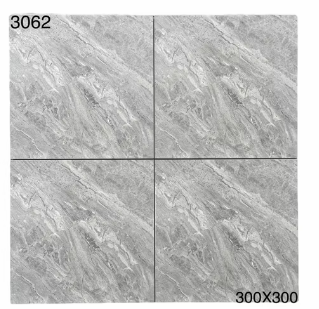
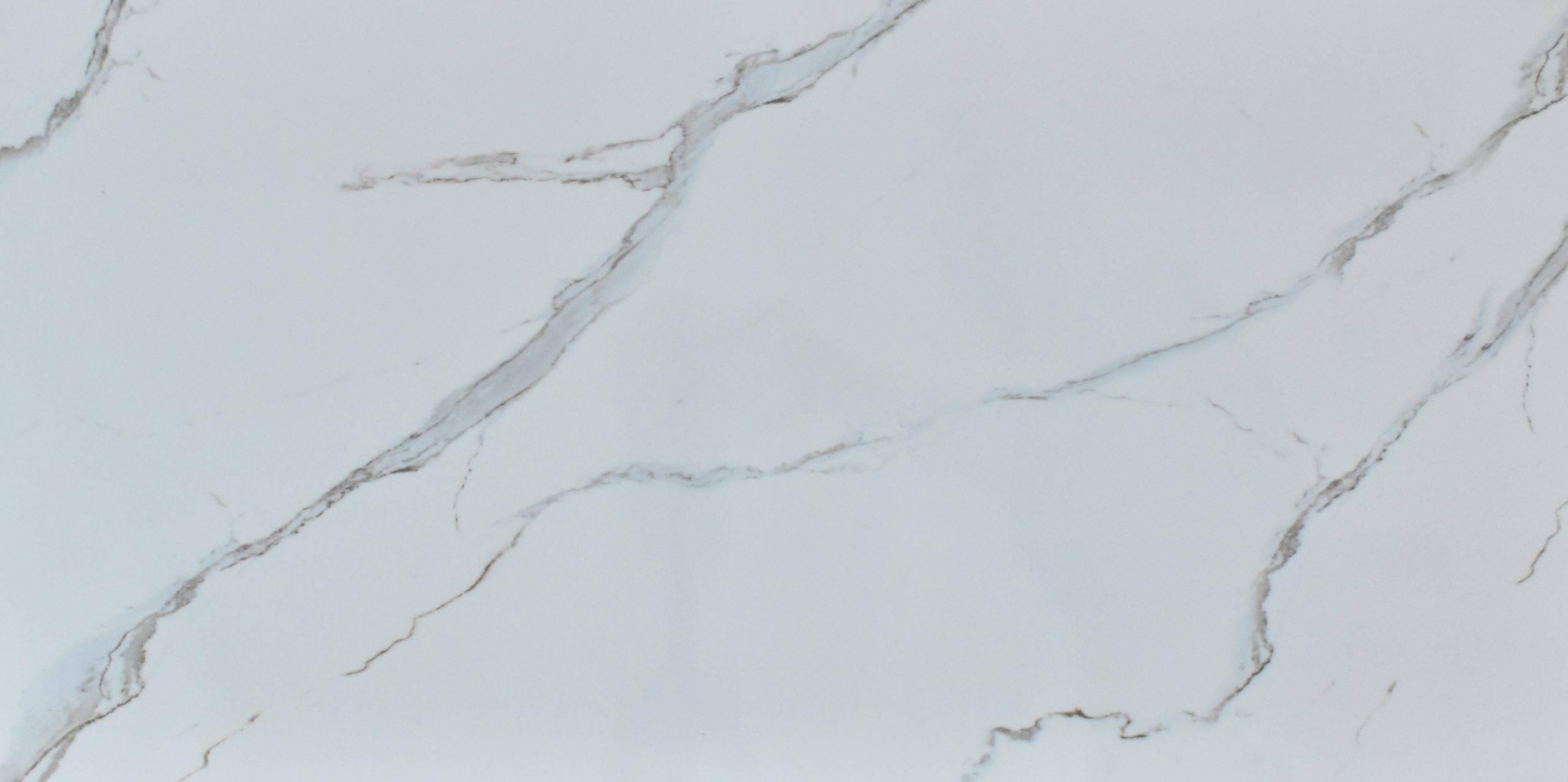
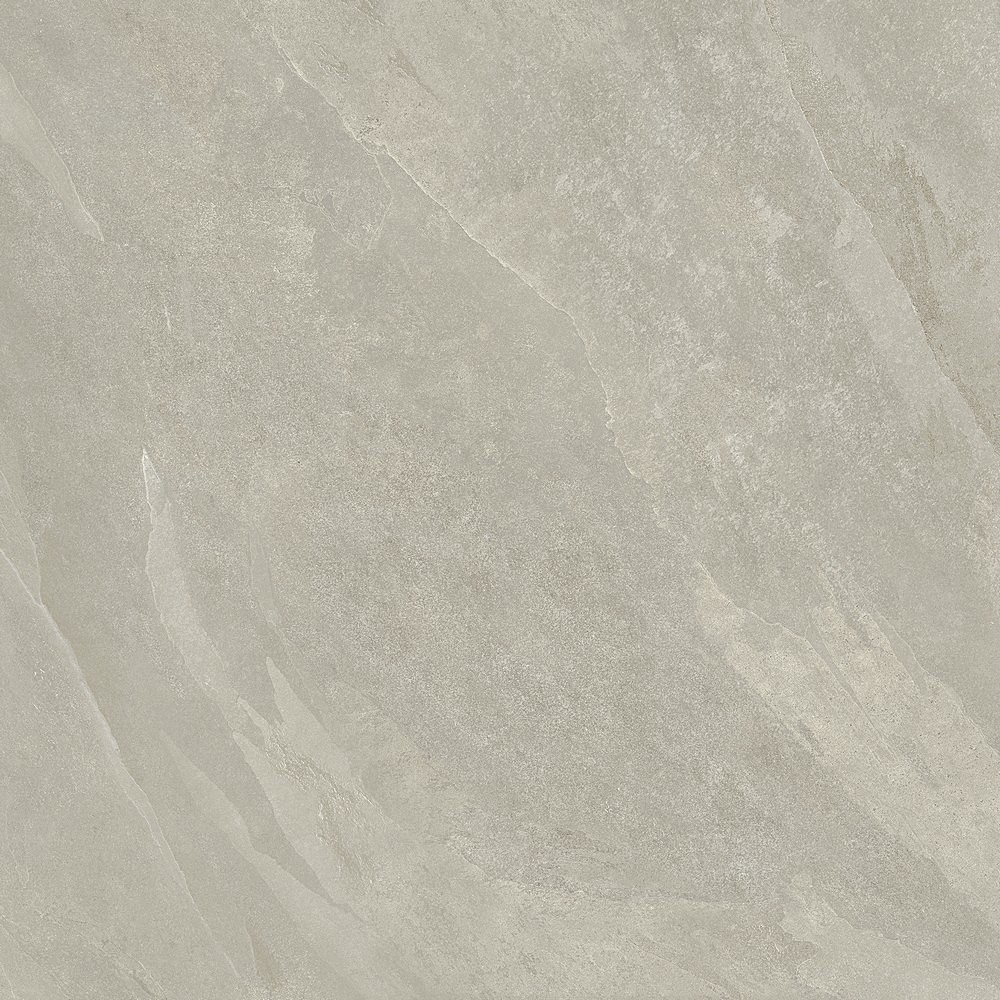

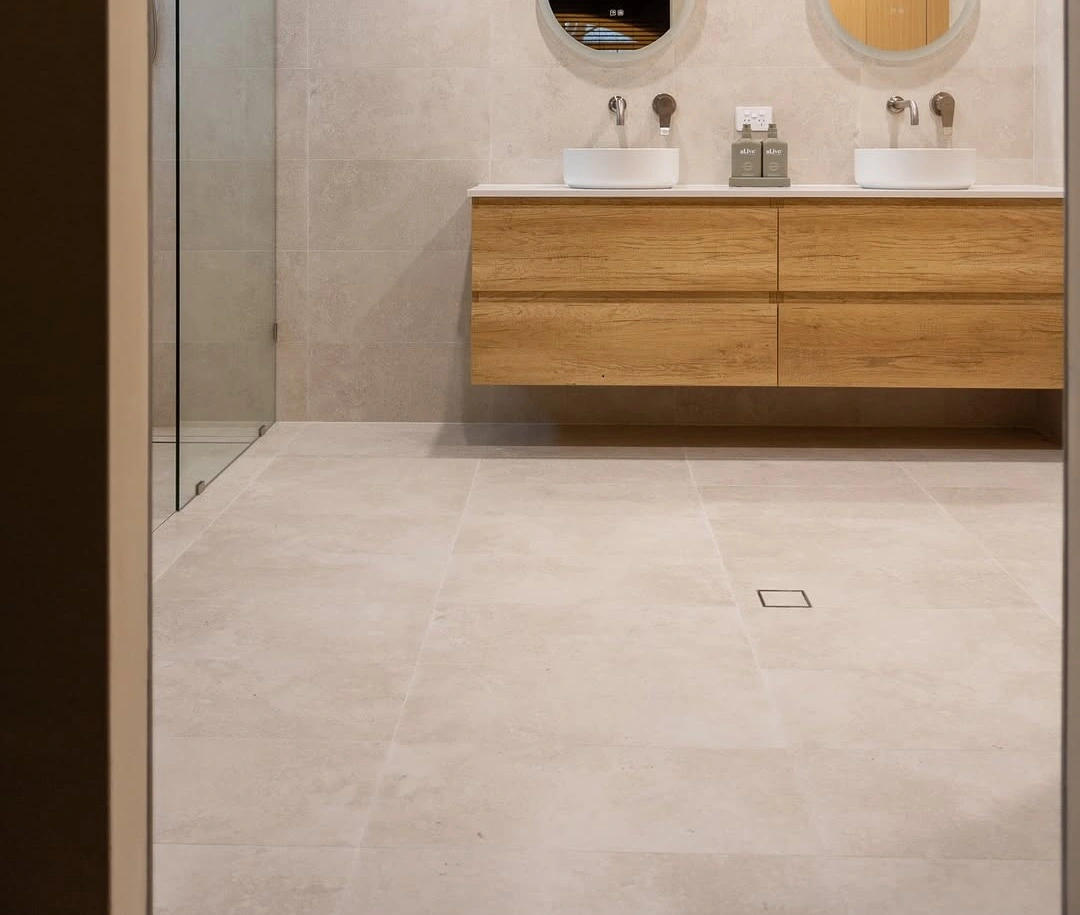
Wholesale Pricing
Fast Delivery
Fundis Recommended
Pay on Delivery
Bathrooms require specific attention during construction or renovation due to constant water exposure. This makes the bathroom the most technically demanding room to tile in any Kenyan home. The wrong choice often leads to long-term issues like leaks, mold growth, or safety hazards.
Tiles Market Kenya stocks materials designed specifically for these wet environments. Our inventory balances necessary safety features with the aesthetic requirements of modern Nairobi apartments and upcountry builds.
We focus on durability and hygiene to ensure your installation lasts for years without water damage. Selecting the right tile involves more than just picking a color; you must consider water absorption rates, slip resistance, and maintenance requirements.
Difference between Floor and Wall Tiles for Bathrooms
A common mistake in local construction involves using the same tile for both surfaces. This practice creates significant safety risks and maintenance difficulties. Floor and wall tiles serve different functions and possess distinct physical attributes.
Bathroom Floor Tiles
Floor tiles in a bathroom must provide friction. We classify these as Non-Slip or Matte finish tiles. They feature a slightly rough texture that maintains grip even when soapy water covers the surface. A smooth, glossy tile on a wet bathroom floor is dangerous.
The standard size for bathroom flooring in Kenya is 30x30cm. This specific size serves a functional purpose. Smaller tiles create more grout lines across the floor, which provide additional traction for bare feet. While porcelain options exist, heavy-duty ceramic matte tiles remain the standard choice for most residential bathrooms due to their effective grip and affordability.
Bathroom Wall Tiles
Wall tiles focus on hygiene and waterproofing. These tiles typically feature a glazed, glossy surface that repels water and prevents soap scum or mold from penetrating the surface. This smooth finish allows you to wipe down shower walls easily. Unlike floor tiles, wall tiles are not designed to bear weight and will crack if installed on the floor.
You will typically find wall tiles in rectangular formats like 25x40cm or 30x60cm. Larger tiles are preferable for walls because they result in fewer grout lines. Grout is porous and absorbs dirt, so minimizing it on vertical surfaces keeps the bathroom looking cleaner for longer.
Choosing the Right Material: Ceramic vs. Porcelain vs. Mosaics
Selecting the material for your bathroom involves balancing budget with water resistance. In the Kenyan market, three main options dominate: ceramic, porcelain, and glass mosaics. Each behaves differently under constant moisture.
Ceramic Tiles
Ceramic tiles remain the most common choice for residential bathrooms in Nairobi. They are made from red or white clay fired in a kiln.
These tiles are lighter and easier to cut than porcelain, which reduces labor costs as local "fundis" can install them quickly using standard manual cutters. Ceramic is ideal for walls and guest bathroom floors where foot traffic is moderate.
Porcelain Tiles
Porcelain is denser and fired at higher temperatures. It has a water absorption rate of less than 0.5%, making it virtually waterproof.
This density makes porcelain the superior choice for master ensuites, wet rooms, or commercial washrooms. However, they are harder to cut and usually require an electric cutter or a diamond blade. If you expect heavy usage, porcelain offers better long-term durability against cracking and staining.
Mosaic Tiles
Mosaics are small tiles, typically 2x2cm or 5x5cm, mounted on a mesh sheet. Builders often use them for shower floors.
The high number of grout lines between the small tiles creates excellent slip resistance. They also work well for sloping the floor towards the drain, which is difficult to achieve with large-format tiles. Glass mosaics are popular for creating feature walls or lining recessed shower niches.
Bathroom Tile Prices in Kenya (2026 Guide)
Tile prices vary based on material, size, and origin. Locally manufactured tiles generally cost less than imported options from Spain or China due to lower shipping taxes.
The following table outlines the current average market rates you can expect when budgeting for your project.
| Tile Category | Standard Size | Price Range (Per Sqm) | Recommended Use |
|---|---|---|---|
| Standard Ceramic Floor | 30x30cm | Ksh 850 - Ksh 950 | Rental Units / Guest Baths |
| Non-Slip Porcelain | 30x30cm | Ksh 1,200 - Ksh 1,600 | Master Ensuites / Wet Rooms |
| Ceramic Wall Tile | 25x40cm / 30x60cm | Ksh 950 - Ksh 1,200 | Shower Walls / Backsplashes |
| Glass Mosaics | 30x30cm Sheet | Ksh 450 - Ksh 800 (Per Sheet) | Shower Floors / Niches |
Pricing also depends on the finish. Full-body porcelain tiles cost more because the color runs through the entire thickness of the tile, hiding chips better than glazed options. Always calculate the total cost by including 15% extra for waste, as bathroom installations require frequent cutting around pipes and toilets.
Top Bathroom Design Trends in Nairobi
Bathroom design in Kenya has shifted from simple utility to creating relaxing spaces. Developers in areas like Kilimani and Kileleshwa now prioritize aesthetics that mimic high-end hotels. Understanding these trends helps increase the value of your property.
The "Modern Spa" Look
This style uses wood effect tiles in the shower area or behind the vanity. Unlike real timber, which rots in Nairobi's humidity, ceramic wood tiles handle water perfectly while adding warmth and texture.
Combining wood-look walls with grey stone-effect floors creates a balanced, natural atmosphere.
The Industrial Concrete Style
Modern apartments frequently use grey, concrete-look tiles. These large-format tiles (often 60x60cm or 30x60cm) hide dirt well and provide a clean, minimalist backdrop for black taps and shower fittings. This style is practical for rentals as it requires less frequent cleaning than white tiles.
Maximizing Small Bathrooms
Space is often limited in guest bathrooms or servant quarters (DSQs). Using bright, glossy white tiles reflects light and makes tight spaces feel larger. Professional installers recommend laying rectangular wall tiles horizontally rather than vertically; this visual trick stretches the wall, making the room appear wider than it is.
Installation and Waterproofing
Leaking bathrooms are a major issue in multi-story buildings. A tile surface alone is not 100% waterproof because water can seep through grout lines.
Proper installation prevents costly repairs and damage to the ceiling below.
Waterproofing the Substrate
Before laying any tiles, apply a waterproofing slurry or cement additive (such as Dr. Fixit) to the concrete slab. This creates a tanking barrier. We strongly advise this step for any bathroom on an upper floor. It ensures that even if water penetrates the grout, it will not leak through to the floor underneath.
Choosing the Right Adhesive and Grout
Standard cement is often insufficient for non-porous porcelain tiles. Use a specialized tile adhesive designed for wet areas to ensure a strong bond.
For finishing, select a waterproof and anti-fungal grout. These grouts resist black mold growth, which is common in Kenyan showers, keeping the lines between your tiles clean and hygienic.
How to Calculate Tiles for Your Bathroom
Estimating the correct quantity of tiles prevents project delays caused by running out of stock, or wasting money on excess boxes. Bathrooms require a specific calculation method due to the number of fixtures involved.
To calculate the requirement:
- Measure the Floor: Multiply the length by the width to get the floor area in square meters.
- Measure the Walls: Multiply the wall height (usually up to the ceiling or 2.1m door height) by the perimeter of the room. Subtract the area of the door and window.
- Add Waste Factor: This is critical. Unlike a square living room, bathrooms have toilets, sinks, and drainage pipes to cut around. This increases breakage and scrap. Add 15% to your total measurement to account for these cuts and potential future repairs.
For example, if your bathroom wall area is 20 square meters, buy tiles for 23 square meters. If you are unsure about the math, use our Online Tile Calculator to get the exact number of boxes required based on the tile size you choose.
Frequently Asked Questions
Here are answers to common questions regarding bathroom tiling in the Kenyan market.
What is the best way to clean hard water stains from bathroom tiles?
Many areas in Nairobi and Syokimau rely on borehole water, which leaves white calcium deposits (limescale) on dark tiles. Avoid using harsh acids like "spirit of salts" as they damage the grout. Instead, use a specialized tile cleaner or a mixture of warm water and vinegar. Scrub gently with a soft brush to remove the deposit without scratching the glaze.
Can I use wall tiles on the floor to match the design?
No. Wall tiles are thinner and fired at lower temperatures. They will crack under the weight of a person. Furthermore, they are usually glazed to be very smooth, making them extremely slippery and dangerous when wet. Always use designated floor tiles for the ground.
Do you deliver tiles to upcountry locations?
Yes. Tiles Market delivers to all major towns including Nakuru, Kisumu, Eldoret, and Mombasa. For remote construction sites, we can arrange transport via trusted logistics partners to ensure your tiles arrive with minimal breakage.
Should I tile behind the bathtub and vanity?
Yes. Tiling the entire wall surface, even behind fixtures, provides better waterproofing protection for the structure. It also allows you to change the vanity or bathtub in the future without having to retile the entire room to hide the bare patches.
Ready to Start Your Bathroom Tiles Project?
Get expert advice and the best prices on quality tiles