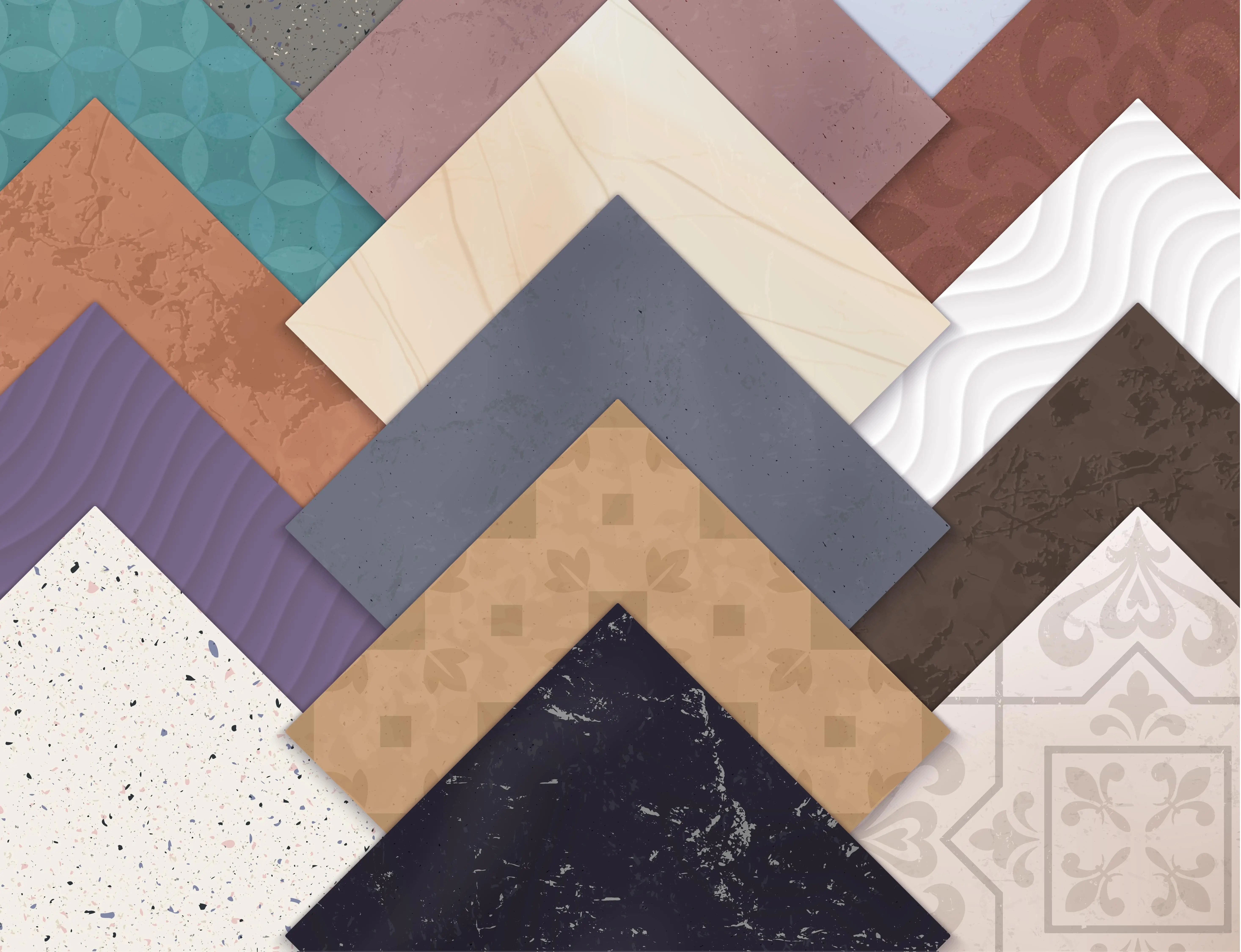
Installing ceramic wall tiles in Kenya creates an effective, permanent barrier against rising dampness and peeling paint, specifically when applied to the lower one-metre of masonry walls.
This functional approach, achievable with a wide selection from our online tile shop, solves the perennial headache of bubbling plaster in Nairobi homes, ensuring your skirting areas remain pristine despite heavy seasonal rains or high water tables.
Understanding Rising Damp in Kenyan Masonry
Kenyan masonry construction primarily relies on porous machine-cut stones or quarry blocks. Ground moisture travels upwards through the capillaries in these stones and carries salts that crystallise when the water evaporates.
Paint sits on the surface of the plaster, trapping this moisture inside until the pressure forces the paint to blister, flake, and peel.
Homeowners often notice a distinct, musty odour accompanying these damp patches, followed by the appearance of white, powdery salts known as efflorescence. Simply scraping and repainting rarely solves the issue.
The dampness invariably returns within a rainy season, turning fresh 'Soft White' walls into discoloured, flaky eyesores. This cycle of scraping and repainting wastes money and leaves living spaces feeling cold and unkempt.
How Ceramic Wall Tiles Create a Permanent Damp-Proof Barrier
Ceramic wall tiles serve as a waterproof shield rather than just a decorative covering. The glazed surface of a ceramic tile is impervious to water, preventing moisture from passing through to the interior living space.
By tiling the bottom 1 to 1.2 metres of a wall, an area often referred to as the dado level, you create a "washable wainscoting" that effectively caps the problem area.
This technique is particularly vital in ground-floor apartments and bungalows where the Damp Proof Course (DPC) may have failed or was never installed. The fired clay body of the tile resists saturation, unlike soft plaster that acts like a sponge.
A quick wipe with a damp cloth removes humidity or splashes, keeping the wall hygienic and dry to the touch.
Cost-Benefit Analysis and Long-Term Value
The upfront cost of tiling is higher than painting, but the operational savings are immediate. Tiled walls eliminate the need for annual scraping, skimming, and repainting.
| Cost Factor | Repainting (Annual) | Ceramic Wall Tiling (One-off) |
|---|---|---|
| Material Cost | Low (Paint & Skim) | Medium (Tiles & Adhesive) |
| Labour Cost | Recurring every 12-18 months | One-time installation fee |
| Durability | Low (Peels with damp) | High (20+ years lifespan) |
| Maintenance | High (Scraping/Repainting) | Minimal (Wiping clean) |
| Resale Value | Neutral | Increases property value |
Selecting the Right Wall Tiles and Materials for Damp Areas
Choosing the correct materials determines whether your renovation lasts a decade or fails in six months. Wall tiles in Kenya vary significantly in density and glazing quality.
Understanding Wall Tile Water Absorption Rates
Ceramic wall tiles with a lower water absorption rate provide better protection against rising damp. Standard ceramic is suitable for most walls, but semi-porcelain or full-body porcelain tiles offer a denser "biscuit" (the body of the tile) that repels water more effectively.
A detailed comparison of ceramic versus porcelain shows that a dense tile ensures the tile face remains unaffected and free from water stains, even if moisture pressure builds up behind the wall.
Choosing Suitable Adhesives for Damp Wall Tiling
Standard cement-sand mortar mixtures often fail to bond correctly with damp substrates. Polymer-modified adhesives offer superior grip and flexibility.
These specialised adhesives resist the chemical attack from salts found in rising damp, ensuring the tiles do not debond or sound "hollow" after a few months.
Selecting Moisture-Resistant Grouts for Longevity
Grout lines are the weakest link in a tiled surface. Cheap white cement turns yellow and harbours black mould when exposed to constant moisture.
Epoxy grouts or waterproof cementitious grouts containing anti-fungal additives create a sealed joint that stops moisture from seeping through the gaps, keeping the finish clean and crisp.
Best Practices for Damp-Proof Wall Tile Installation
Proper preparation of the substrate is non-negotiable. The existing paint and loose plaster must be hacked off completely to expose the masonry brick or stone.
Applying tiles directly over peeling paint guarantees failure, as the weight of the tile will pull the paint off the wall.
Installers should apply a bonding agent, such as a mixture of cement and SBR (Styrene Butadiene Rubber) latex, to the bare wall before tiling.
This creates a "key" for the adhesive to grab onto. Leaving a small gap at the very bottom between the floor tile and the wall tile allows for any extreme hydrostatic pressure to vent, which can then be covered by a tile skirting fixed with silicone.
Aesthetic Integration and Wall Tile Design
Tiling halfway up a wall can look institutional if not designed thoughtfully. Using a decorative border tile or a darker shade for the lower section grounds the room visually.
A wood-effect ceramic tile on the lower half brings warmth to a living room, mimicking traditional timber panelling without the risk of rot.
Glossy finishes reflect light, making narrow corridors or small kitchens feel wider and brighter. Matte finishes offer a more contemporary, subtle look that hides fingerprints and water marks effectively.
Matching the grout colour to the tile creates an unbroken visual plane, while contrasting grout highlights the geometric pattern.
Enhancing Effectiveness with Liquid Waterproofing Membranes
Applying a liquid waterproofing membrane adds a critical second line of defence. Products like Dr. Fixit or localized bituminous coatings are brushed onto the bare masonry before the tile adhesive is applied.
This rubberised layer acts as a tanking system, completely isolating the tile adhesive from the damp wall.
This step prevents salt efflorescence from migrating into the adhesive layer. It ensures the bond remains strong even if the wall behind becomes saturated during the heavy rains of April and November.
Finding Quality Tiles and Professional Installers in Kenya
Sourcing tiles requires visiting established suppliers in Kenya to feel the texture and check the glaze quality. Avoid buying tiles unseen and always check the batch numbers to ensure colour consistency across all boxes.
Hiring a 'fundi' experienced specifically in wall tiling is crucial. Wall tiling requires different skills than floor tiling, particularly in managing vertical alignment and lippage.
Ask to see previous work where they have managed damp walls and ensure they understand the importance of hacking the wall back to the brick.
Maintaining Your Tiled Walls for Lasting Protection
Ceramic tiles require very little active maintenance. A weekly wipe with warm water and a neutral detergent keeps the glaze shining. Avoid abrasive steel wool pads that can micro-scratch the surface, which eventually dulls the finish.
Inspect the grout lines annually for any pinholes or cracks. Re-grouting small areas is a simple DIY task that maintains the integrity of the waterproof barrier.
Keeping the grout sealed prevents moisture ingress and ensures the installation performs for decades.
Conclusion: A Permanent Solution to Damp Walls
Choosing the right wall tiles in Kenya transforms a maintenance nightmare into a durable design feature.
By treating the lower section of your walls with high-quality ceramics and proper waterproofing, you protect your investment and improve your daily living environment. Browse our collection to find the perfect solution for your home.
Designer's Recommendation
For the best balance of price and performance, opt for 300mm x 600mm ceramic wall tiles for damp-prone corridors.
The larger format reduces the number of grout lines, which are the main entry point for moisture, while the gloss finish maximizes light reflection in typically dark hallways.