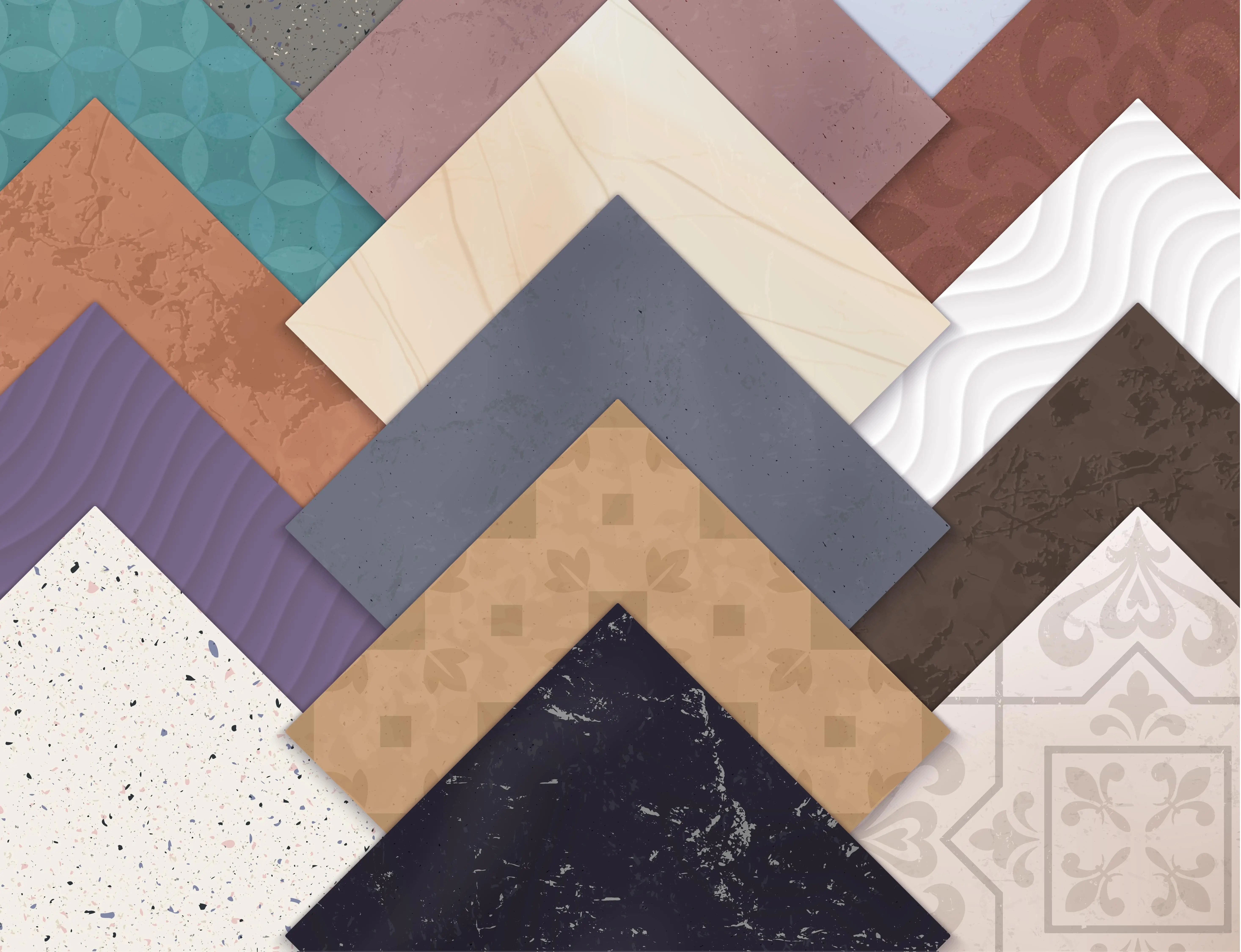
Finding the best staircase tiles in Kenya requires prioritising full-body porcelain or grooved heavy-duty ceramic options that specifically prevent slipping and edge breakage. Neglecting proper nosing profiles on these stairs often leads to chipped edges within the first year of heavy foot traffic, turning a beautiful installation into a safety hazard. At Tiles Market Kenya, our expert advice focuses on preventing such common and costly issues.
Choosing Optimal Tile Materials for Staircase Durability
Staircases endure concentrated impact that flat floors simply do not face. Every footstep lands on the same central area, grinding grit and dirt into the surface with significant force. Consequently, full-body porcelain tiles serve as the superior choice over standard ceramic tiles for Kenyan homes. The fundamental difference between porcelain and ceramic is density and durability, which is critical for stairs.
| Feature | Full-Body Porcelain | Standard Glazed Ceramic |
|---|---|---|
| Chip Visibility | Low (Colour is consistent throughout the tile) | High (A different coloured clay body is exposed) |
| Water Absorption | Very Low (<0.5%) | High (>0.5%) |
| Abrasion Resistance | High (Suitable for heavy foot traffic) | Moderate to Low (Glaze can wear off over time) |
| Ideal Use | Staircases, hallways, commercial areas | Walls, light-traffic residential floors |
Full-body porcelain carries its colour and composition through the entire thickness of the tile. If a heavy metal object falls and chips the surface, the damage remains largely invisible because the material underneath matches the top. Standard glazed ceramic, by contrast, reveals a stark red or brown clay body when chipped, making the staircase look worn and neglected almost immediately.
Critical Safety Standards for Staircase Tiles
A glossy finish on a staircase is a significant safety risk, particularly in households with children or elderly residents. The visual appeal of high-gloss marble effects quickly becomes a liability when socks or wet shoes lose traction.
Decoding Slip Resistance R-Ratings for Stair Safety
Tile manufacturers assign 'R-ratings' to denote slip resistance, and for staircases, an R10 or R11 rating is non-negotiable. These tiles possess a textured surface that grips the sole of a shoe, even when the surface is damp from mopping or tracked-in rainwater.
Smooth, polished tiles with an R9 rating or lower create a hydroplaning effect when wet. An R10 matte finish offers enough friction to prevent falls without being so rough that it shreds mop heads or traps impossible-to-clean dirt.
PEI Ratings for Tile Durability on Staircase Treads
The Porcelain Enamel Institute (PEI) rating measures resistance to surface abrasion. Since stair traffic is focused on the centre of the tread, wear patterns emerge faster here than in hallways.
Select tiles with a PEI IV or PEI V rating. A PEI IV rating withstands significant foot traffic in busy family homes, ensuring the pattern or texture does not wear smooth over time. Using a lower-rated wall tile on stairs will result in bald spots and scratched glazes within months.
Why Stair Nosing is Essential for Protecting Tile Edges
The weakest point of any tiled stair is the external corner where the tread meets the riser. Without protection, this 90-degree edge bears the brunt of every footfall.
Why Standard Tiles Chip Easily on Staircases
Standard tiles are fired to be strong on their face, not their edges. When a 'fundi' creates a sharp corner using a mitre cut, cutting two tiles at 45 degrees to meet, the resulting edge is razor-thin and incredibly brittle. A single impact from a hard shoe heel or a dropped object will shatter this edge, leaving jagged ceramic shards that are dangerous to bare feet.
Common Stair Nosing Profiles
Installing a dedicated nosing profile solves the fragility issue by capping the edge with a durable material.
- Aluminium Nosing: This is the most robust option available in Nairobi hardware stores. The metal edge absorbs impact and often features rubber inserts or ridges for extra grip. It provides a clean, industrial look that defines the edge of the step clearly, aiding visibility.
- PVC Nosing: A cost-effective alternative, PVC profiles come in various colours to match the tile. However, plastic becomes brittle over time and may crack under heavy impact or prolonged exposure to sunlight near windows.
- Integrated Bullnose: Some high-end tile collections include factory-made 'bullnose' pieces with a rounded, glazed edge. These offer a softer, more traditional look but are harder to source and significantly more expensive.
Precise Installation Techniques for Staircase Tiles
A successful staircase renovation relies on the installation method as much as the tile itself. Poor adhesion leads to hollow sounds and loose tiles that eventually crack.
Preparing the Staircase Substrate for Tiling
Concrete stairs must be fully cured and perfectly square before tiling begins. Any unevenness in the concrete riser height creates a trip hazard; the human brain expects every step to be the same height. The installer must level the treads with a sand-cement screed to ensure a flat surface, preventing the tiles from rocking or snapping under weight.
Step-by-Step Tile Installation on Risers and Treads
Installation should generally proceed from the top step downwards to prevent walking on freshly laid tiles. The riser, the vertical part, goes on first, sitting flush with the concrete. The tread, the horizontal part, follows, overlapping the top of the riser tile.
The adhesive bed must be solid. Spot-bonding, or dabbing five dots of cement, is disastrous for stairs. The installer must comb the tile adhesive evenly to ensure 100% coverage, supporting the tile against the high pressure of foot traffic.
How to Securely Integrate Stair Nosing Profiles
Nosing profiles are not glued on top of the tile; they must be embedded into the adhesive bed. The profile has a perforated 'anchoring leg' that sits underneath the tread tile.
The installer applies adhesive to the step, positions the nosing profile so the anchoring leg is embedded, and then firmly presses the tile onto the leg. This sandwiches the profile securely, ensuring it cannot be kicked loose over time.
Specialized Stair Tread Tiles in Kenya
The Kenyan market has seen an influx of specialized 'stair tread' tiles, typically sized at 300x1200mm or 300x600mm. These tiles come with factory-cut anti-slip grooves, or fluting, near the edge. This feature eliminates the need for a separate metal strip while providing necessary traction.
Local workshops can also machine grooves into standard porcelain tiles. This method maintains a uniform look, but the cut grooves are often unglazed and can trap dirt, making them harder to keep pristine compared to factory-finished options.
Cost, Maintenance, and Longevity of Staircase Tiling
Budgeting for staircase tiling involves more than just the square metre price of the box. The wastage rate on stairs is higher due to the number of cuts required. A tile calculator can help you estimate total needs accurately, including potential offcuts.
Initial Investment Versus Long-Term Value
| Feature | Standard Ceramic + Mitre Cut | Porcelain + Aluminium Nosing |
|---|---|---|
| Initial Cost | Low | Medium - High |
| Durability | Low (Edges chip easily) | High (Edges protected) |
| Safety | Moderate (depends on glaze) | High (Nosing adds grip) |
| Lifespan | 3-5 Years before visible damage | 15+ Years |
Maintenance Tips for Tiled Staircases
Staircases collect dust in the internal corners and along the grout lines. Using a dark grout colour like grey or charcoal hides the inevitable staining from shoes better than white or cream grout. Avoid wax-based cleaners, as they leave a slippery film that compromises the safety of the treads.
Expert Verdict on Choosing Staircase Tiles
For the safest and most durable finish, choose a matte, full-body porcelain tile combined with an aluminium nosing profile. This setup resists the abrasive dust common in Kenya, protects edges from impact, and ensures the staircase remains a safe, visually appealing feature of the home for decades. Avoid polished tiles and exposed mitred edges to prevent accidents and premature repairs. Browse our online tile shop to view a range of suitable heavy-duty options for your project.