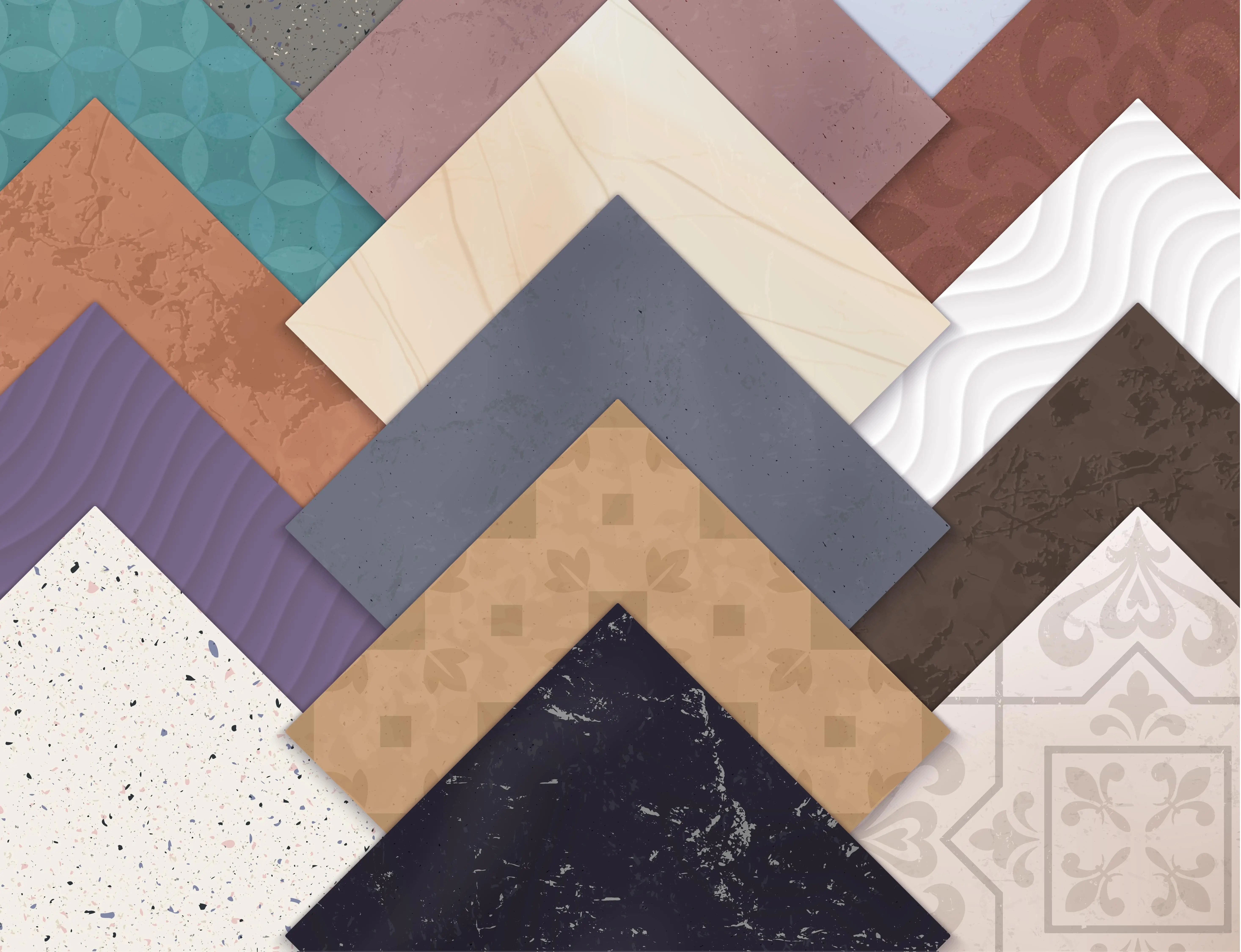
The first question homeowners ask is about the price of tiles per box in Kenya, with costs typically ranging from KES 850 for local ceramic tiles (300x300mm) to over KES 2,500 for imported porcelain tiles.
Securing current market rates helps you budget for a standard 10 by 10-foot room without compromising finish quality or running out of materials. A clear understanding of coverage and pricing prevents the costly problem of mismatched batches later in the project.
Once you know your requirements, you can browse our online tile shop for specific options.
How to Accurately Measure Room Area for Tiling

A 10 by 10-foot room equals 100 square feet, but tiles in Kenya are sold by the square metre. One hundred square feet converts to approximately 9.3 square metres.
However, relying on floor plan dimensions often leads to shortages because Kenyan masonry work is rarely perfectly square. Physical measurement of the space is therefore non-negotiable.
Use a tape measure to check the width and length at three different points each: the two ends and the middle. This accounts for any bowing or tapering in the walls.
Always use the widest measurement for your calculations to ensure you have enough material to cover any gaps. A room that appears square often has trapezoidal deviations that become obvious once rigid tiles are laid against the skirting.
Calculating the Base Number of Tile Boxes Needed
Tile box coverage varies depending on the size of the individual tile. A standard box of 600x600mm porcelain tiles typically covers 1.44 square metres, while a box of smaller 300x300mm ceramic tiles often covers 1.5 square metres.
For a 9.3 square metre room, simple division (9.3 ÷ 1.44) suggests you need 6.45 boxes of the larger format tiles.
Rounding down is a critical error. You must always round up to the nearest whole number, as suppliers will not sell partial boxes. For this 10x10 foot room, the absolute minimum purchase before accounting for wastage is 7 boxes.
This number serves as a baseline, but stopping here will lead to problems during installation.
Applying the Wastage Formula for Cuts and Future Repairs
Professional tilers add a wastage factor to prevent project delays caused by material shortages. The standard is the "10% Rule" for basic straight-lay patterns.
This extra quantity covers tiles that need to be cut to fit along walls, pieces that break during transport or handling, and material needed for skirting boards. For a 9.3 square metre room, a 10% wastage allowance increases the required amount to 10.23 square metres.
The calculation now becomes 10.23 divided by 1.44 (the box coverage), which equals 7.1 boxes. This fractional result requires you to purchase an 8th box.
Keeping a spare box also protects you from future issues like plumbing repairs that damage a tile; finding a matching batch years later is nearly impossible.
Budgeting for Different Tile Types in the Kenyan Market
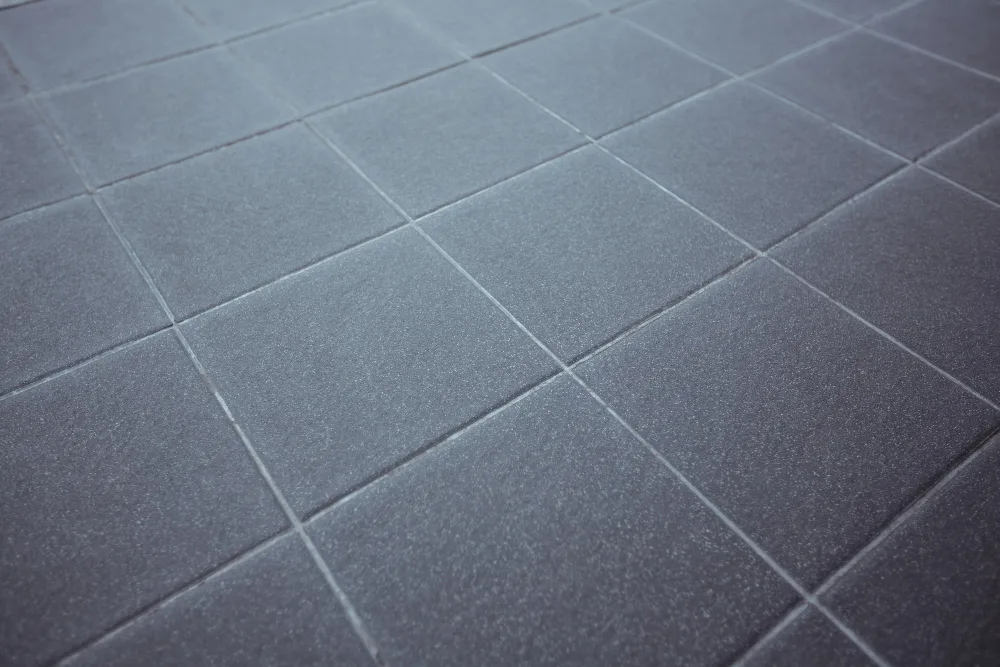
Budgeting requires understanding the functional differences between ceramic vs porcelain tiles, as this choice significantly impacts project cost.
Ceramic tiles are porous, lighter, and easier to cut, but they can crack if a heavy object like a cast iron pot is dropped on them. Porcelain is dense and highly durable, making it resistant to chipping and ideal for withstanding the heavy foot traffic of a busy hallway.
| Tile Type | Size (mm) | Approx. Price Per Box (KES) | Est. Total Cost (KES) |
|---|---|---|---|
| Local Ceramic | 300 x 300 | 850 - 1,100 | 6,800 - 8,800 |
| Local Porcelain | 600 x 600 | 1,400 - 1,800 | 11,200 - 14,400 |
| Imported Porcelain (China/India) | 600 x 600 | 1,900 - 2,600 | 15,200 - 20,800 |
| Premium European/Granite | 600 x 1200 | 3,500+ | 28,000+ |
How Tile Size and Layout Patterns Affect Wastage
The installation pattern affects both the room's appearance and the amount of material needed. Laying tiles diagonally (at a 45-degree angle) can make a small 10x10 foot room feel larger and more dynamic.
This aesthetic benefit increases material consumption, as the diagonal cuts produce more unusable offcuts. For such layouts, the wastage factor should be increased to 15% or even 20%.
Similarly, large-format tiles, like 600x1200mm slabs, create a modern, minimalist look with fewer grout lines. In a small room, however, these large pieces require complex cuts around doorways or pillars, leading to significant waste.
Sourcing Essential Installation Materials Adhesive and Grout
The durability of a tiled floor depends on the materials used beneath the surface. Using only a simple cement screed for installation is a common mistake because it lacks the flexibility to accommodate the thermal expansion and contraction of modern tiles.
A dedicated tile adhesive and quality grout ensure a strong bond, preventing tiles from lifting or producing a hollow sound underfoot. Grout choice also defines the final look. Standard white grout quickly becomes discoloured in high-traffic areas.
Choosing a darker grey or beige grout effectively hides dirt and provides a clean frame for each tile, maintaining a pristine appearance for years.
Choosing Between Local and Imported Tiles
The choice between locally manufactured tiles, such as those from Saj Ceramics, and imports involves a trade-off between budget and finish. Local tiles are affordable and readily available, making them a practical choice for rental properties or low-traffic areas.
They may have minor size variations that require a slightly wider grout line to conceal. Imported rectified porcelain, in contrast, features precisely cut, sharp edges.
This allows for very narrow grout joints (1mm to 2mm), creating a smooth, glass-like surface that is both luxurious and easy to clean. When buying imported tiles from hubs like Kirinyaga Road, always inspect the box contents for chips or damage sustained during shipping.
Final Checklist Before Buying Your Tiles
To tile a 10 by 10-foot room correctly, you will likely need 8 boxes of standard 600x600mm tiles to cover the area and account for cuts, breakages, and skirting.
Before paying, verify that every box has the same "Tone" and "Calibre" number printed on the side. These codes ensure that the colour shading and exact dimensions are identical across all boxes.
A mismatch in these batch numbers results in a noticeable checkerboard effect on the floor, a permanent flaw once the adhesive has set. This diligence ensures your new living room tiles look uniform and professional.
Buy your full quantity at once and keep the receipt with your spare box for future reference.