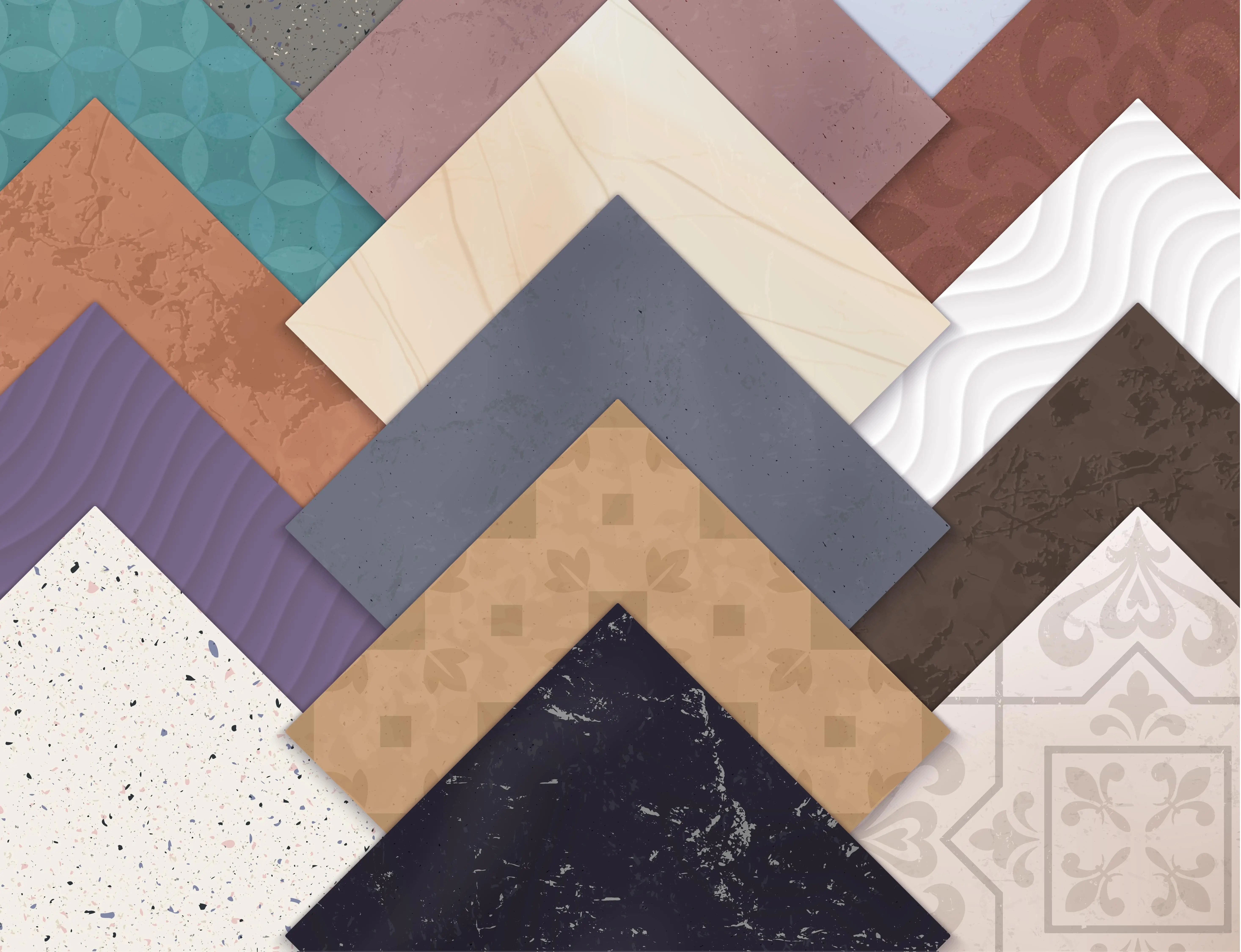
Homeowners in Kenya have access to many floor tile types, from ceramics to porcelain. However, natural stone options like Mazeras and Galana demand a specific maintenance approach to prevent surface degradation.
Neglecting the initial sealing process often causes persistent flaking and a dull, dusty appearance. The correct varnish application can permanently lock in a 'wet look' and protect the stone from the wear common in high-traffic flooring areas.
Finding the right products is key, and you can browse a full range in our online tile shop.
Understanding the Composition and Porosity of Mazeras and Galana Stone
Mazeras and Galana stones are sedimentary rocks quarried along the Kenyan coast, which gives them a distinct, layered structure. This natural formation means they are highly absorbent materials.
If you spill liquid on an unsealed slab, it is absorbed almost instantly into the stone's core rather than pooling on the surface.
This high porosity makes them susceptible to deep-set staining from oils, red soil, or muddy footprints, a problem not faced by non-porous materials like porcelain tiles.
The texture of these stones is naturally friable, meaning it is prone to shedding fine particles. Without a binding agent, the surface layer slowly detaches under the friction of foot traffic.
This characteristic explains why unsealed stone floors often feel perpetually sandy, no matter how frequently they are swept. Recognising this absorption rate is the first step to understanding why a standard cleaning routine is ineffective without a chemical barrier.
Solving Common Problems with Unsealed Mazeras and How to Fix Them
The most frequent complaint about natural stone installations in Nairobi homes is "flaking," where the stone appears to generate its own grey dust. This happens because the sedimentary layers loosen over time.
Applying a stone-hardening varnish acts as a binding agent, holding these top layers together and immediately stopping the disintegration. The varnish creates a durable, non-porous film that takes the impact of foot traffic, protecting the softer stone beneath.
Efflorescence is another visual challenge, appearing as a white, chalky powder on the stone's surface. This occurs when water travels through the stone, carrying natural salts to the top as it evaporates.
A quality sealant blocks this moisture transmission, preventing salts from reaching the surface and detracting from the stone's natural colour. Treating the stone prevents the unsightly white haze that makes a patio or walkway look weathered.
Choosing the Right Sealer for Your Desired Stone Finish
The right product choice depends on whether you prefer a natural matte finish or a permanent "wet look." Penetrating sealers soak into the stone without altering its appearance, providing protection while maintaining the raw, earthy texture.
This option is often preferred for swimming pool tiles and surrounds where slip resistance is critical, as high-gloss varnishes can become slippery when wet.
For interior spaces or sheltered verandas, a colour-enhancing varnish is often the superior choice for aesthetics. These products darken the stone, highlighting the deep oranges, rich browns, and charcoal greys that typically only appear when the floor is wet.
A high-gloss polyurethane varnish permanently mimics the appearance of wet stone, reflecting light and making the space feel more finished and luxurious.
Surface Preparation and Application for Optimal Sealant Performance
Successful application depends entirely on how dry and clean the stone is before sealing. Trapped moisture is the primary cause of failure; sealing a damp stone locks water inside, which can cause the varnish to turn cloudy or peel within months.
Experts recommend a minimum of 48 hours of dry weather before application to ensure the stone is completely dry.
Cleaning must be thorough. A dilute acid wash, commonly used by local fundis, removes cement spatters and opens the stone's pores, allowing the sealer to achieve a stronger bond.
Proper cleaning is essential for removing residue from installation materials like tile adhesives and grout. Once washed and thoroughly dried, the sealer should be applied in thin, even coats.
Applying the varnish too thickly can result in puddles that do not cure properly and remain tacky, attracting dirt and shoe prints.
Long-Term Maintenance and Troubleshooting for Sealed Mazeras Floors
Even a high-quality, heavy-duty varnish will eventually show wear in high-traffic zones like hallways and entryways. You may notice the gloss level fading in the main walkway while the edges remain shiny.
Reapplication is typically required every two to three years, depending on the level of foot traffic. The benefit of Mazeras is that you rarely need to strip the old sealer; a light sanding and a fresh topcoat are usually sufficient.
To maintain the seal, avoid harsh, ammonia-based cleaners and abrasive scouring pads. These agents can strip the protective layer, leaving the stone vulnerable again.
A simple pH-neutral cleaner and a soft mop are all that is needed to lift dirt from a sealed surface. If peeling occurs, it usually indicates that moisture was trapped during the initial application, which will require a localised strip-and-seal repair.
Understanding Advanced Nano-Technology Sealants for Natural Stone
The Kenyan construction market now includes nano-technology sealants, which offer a significant upgrade over traditional polyurethane. These sealants use microscopic particles that penetrate deeper than standard varnishes.
They bond with the stone at a molecular level, providing superior resistance to oil and water without creating a thick, plastic-like film on the surface.
Nano sealants are breathable, allowing ground moisture to escape as vapour while preventing liquid from penetrating from above. This feature is crucial for ground-floor installations where rising damp is a concern.
While the upfront cost is higher, their longevity and resistance to peeling make them a cost-effective solution for homeowners seeking minimal long-term maintenance.
Choosing the Right Products for Your Mazeras and Galana Floor
Selecting the correct chemical agent is the difference between a floor that gleams for years and one that peels within months. Here is a breakdown of the product categories available locally.
| Product Type | Best Use Case | Visual Effect | Durability |
|---|---|---|---|
| Solvent-Based Polyurethane | Living rooms, Verandas, Walkways | High Gloss, "Wet Look" | High (2-4 years) |
| Water-Based Acrylic | Low traffic areas, DIY projects | Satin / Low Sheen | Medium (1-2 years) |
| Nano-Impregnators | Pool decks, Bathrooms, Exteriors | Invisible / Natural | Very High (5+ years) |
| Stone Enhancers | Feature walls, Patios | Deepened Colour, Matte | Medium (2-3 years) |
Deep Penetrating Nano Sealers
These are best for areas where slip resistance is non-negotiable, such as swimming pool surrounds or steep driveways and compound tiles. Because they do not form a surface film, the natural friction of the stone is preserved.
Water will bead on the surface, allowing for easy cleanup without altering the raw aesthetic of the Galana.
Stone Enhancing Varnishes
For homeowners who want the dramatic "wet look," these varnishes are the ideal solution. They darken the stone significantly, which makes the natural veins and colour variations more prominent.
This product also solves the "dusty" issue by filling the microscopic gaps that cause flaking, resulting in a smooth, easily wipeable surface.
Traditional Acrylic Options
Acrylic sealers are widely available in Kenyan hardware stores and are generally more affordable. They offer adequate protection and are easier to apply due to having less potent fumes than solvent-based options.
However, they are softer and may show scuff marks from heavy furniture or boots sooner than their polyurethane counterparts.
Professional Application Versus DIY for Mazeras Sealing
When to Hire an Expert
Large surface areas or floors laid unevenly benefit from professional attention. An expert has access to industrial floor scrubbers to remove ingrained grime and heavy-duty vacuums to ensure the surface is completely dust-free.
Professionals are also skilled at maintaining a "wet edge" during application to prevent lap marks, ensuring a uniform, glass-like finish across large rooms. You can find more expert advice in our resource centre.
DIY Tips and Precautions
If you choose to seal the floor yourself, proper ventilation is mandatory. Solvent-based sealers release strong fumes that can be hazardous in enclosed spaces. Always wear a respirator mask and solvent-resistant gloves.
Apply the sealer with a high-quality, short-nap roller or lambswool applicator to avoid shedding lint into the varnish. Always plan your exit path, working your way out of the room to avoid stepping on the wet surface.
Achieving Lasting Protection for Mazeras and Galana Floors
Maintaining Mazeras and Galana is not about constant scrubbing; it is about establishing a protective shield that handles daily wear.
By identifying the right sealer for your specific needs, whether it is the natural matte finish of a nano-sealer or the deep gloss of a polyurethane varnish, you can transform a high-maintenance stone into a durable, stunning feature.
A properly sealed floor enriches the home, offering the warmth of natural rock without the associated grit and dust. To get started, explore the premium selection of tiles and accessories at Tiles Market Kenya.