The correct adhesive for tiles in Kenya for porcelain installation is not standard cement. You must use a specifically formulated polymer-modified mixture designed to bond chemically with non-porous surfaces.
Using the wrong product leads to "tenting," a costly failure where expensive 60x60 nano-polished tiles suddenly buckle upwards with a loud crack.
This ruins the aesthetic flow of your living room tiles and requires expensive repairs.
How Porcelain Tiles Pop and The Warning Signs to Look For
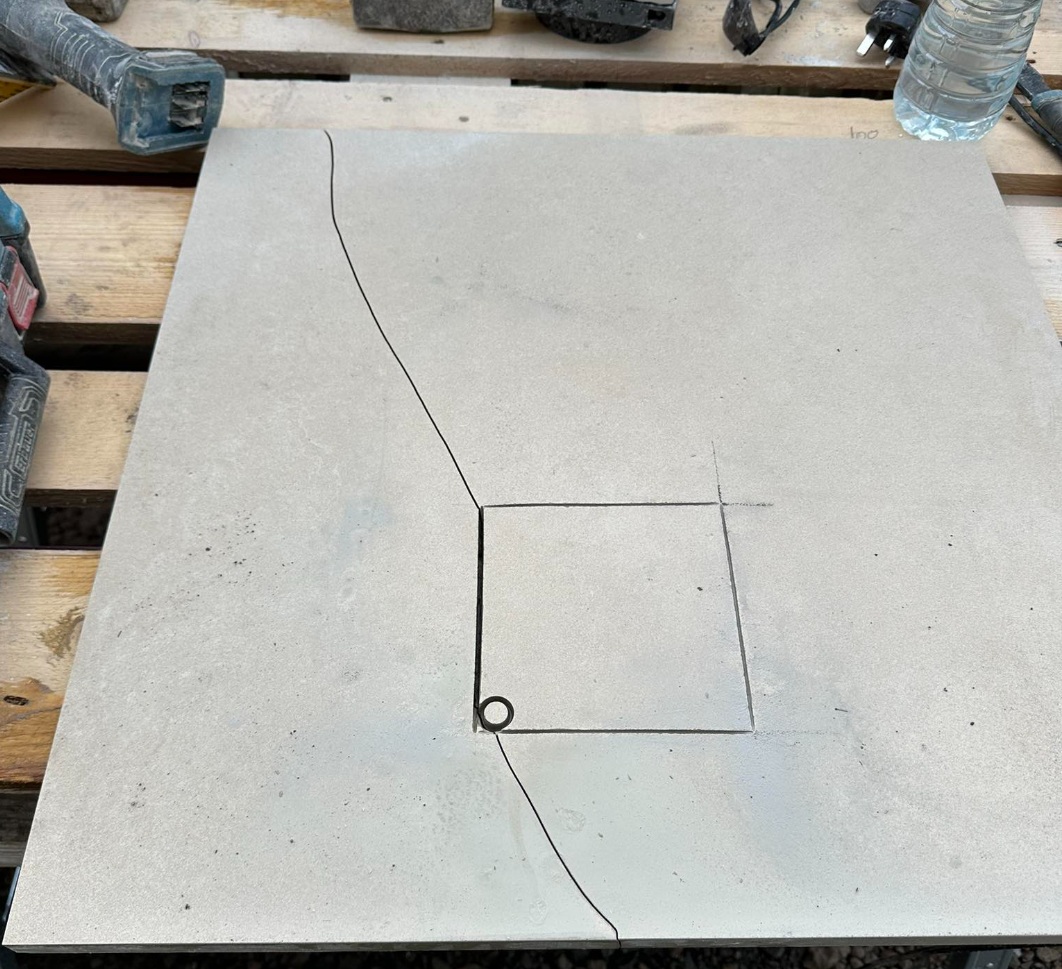
Tile popping is the physical result of stress building up between the floor slab and the tile surface. The first warning sign is often auditory.
You may notice a hollow, drum-like sound when walking on certain tiles in hard-soled shoes, indicating the bond beneath has already failed. The grout might still hold the tile in place visually, but the failure has begun.
The concrete subfloor expands and contracts with Nairobi's fluctuating temperatures, putting pressure on the rigid tile layer. A weak bond from standard cement gives the tile no room for this movement.
This accumulated stress eventually forces the tiles to detach from the floor violently, either buckling into a tent shape in the middle of the room or shearing off near the skirting.
Why Standard Cement Fails on Non-Porous Porcelain Tiles
The failure of cement on porcelain is explained by its non-porous nature. Traditional red-body ceramic tiles are porous.
They act like a sponge, absorbing water and cement paste to create a strong mechanical grip. Porcelain is different; it is vitrified by baking at extreme temperatures, making it glass-like and non-porous, with a water absorption rate below 0.5%.
Standard cement and sand mixtures depend entirely on this mechanical grip. When applied to a smooth porcelain back, the cement has no pores to hold onto.
It simply dries against the surface instead of bonding with it. Over time, this weak contact breaks with the slightest vibration or temperature change, leaving you with a loose tile sitting on a bed of useless, dusty cement.
Choosing the Right Porcelain Tile Adhesive for Kenyan Climates
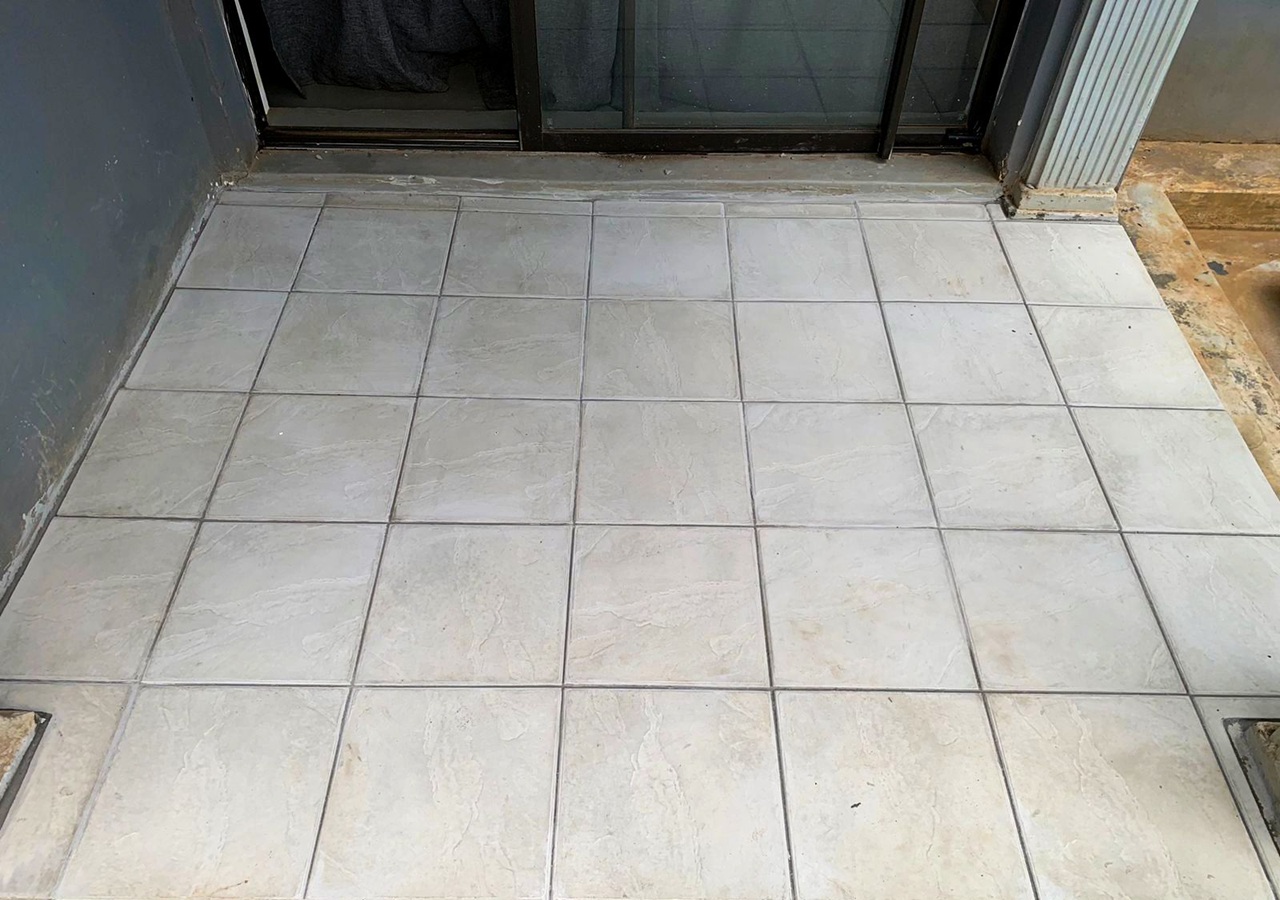
A successful installation requires a shift from mechanical to chemical bonding. You need an adhesive that sticks to the tile surface chemically, similar to how superglue adheres to glass.
Adhesive Types for Non-Porous Tiles
Porcelain requires a Class C2 adhesive, which is a polymer-modified cementitious product. Manufacturers add powdered polymers (plastics) to the mix for two critical functions.
First, they provide the chemical "stick" needed for the glossy backing of porcelain. Second, they introduce flexibility, allowing the adhesive layer to stretch slightly and absorb building movements without breaking the bond.
Climate Zone Considerations in Kenya
Your location dictates the required adhesive grade. In hot, humid regions like Mombasa or Kisumu, the concrete slab experiences significant thermal expansion.
A highly flexible (S1 or S2 rated) adhesive is mandatory here to handle the movement. In cooler highland areas like Limuru, where night temperatures drop significantly, the adhesive must resist the screed's contraction to prevent tiles from popping loose during cold snaps.
Cost Analysis The False Economy of Using Cement for Porcelain Tiles
Many homeowners choose cement to save money upfront because a bag of cement costs less than a bag of quality tile adhesive. This is a false economy.
The table below illustrates the financial reality of a 50 square metre living room installation over a three-year period.
| Cost Item | Option A: The "Cheap" Way (Cement & Sand) | Option B: The "Right" Way (C2 Porcelain Adhesive) |
|---|---|---|
| Material Cost (Approx.) | KES 8,000 (Cement + Sand) | KES 25,000 (25 Bags of Adhesive) |
| Initial Labour | KES 15,000 | KES 20,000 (Skilled Specialist) |
| Total Initial Spend | KES 23,000 | KES 45,000 |
| Year 2 Failure Risk | High (Popping likely) | Near Zero |
| Repair Cost (Demo + New Tiles) | KES 60,000 (Buying tiles twice + labour) | KES 0 |
| Total 3-Year Cost | KES 83,000 + Stress & Dust | KES 45,000 |
*Note: Prices are estimates based on average Nairobi hardware pricing and labour rates as of 2024.
Correct Installation Methods to Prevent Porcelain Tile Popping
Correct application is just as vital as using the right product. The most common error is "spot bonding," where the fundi places five blobs of adhesive on the corners and centre of the tile.
This method leaves voids underneath, creating weak points that crack under the weight of furniture or foot traffic.
Demand the "solid bed" method. The installer must comb the adhesive evenly onto the floor and often "back-butter" the tile with a thin layer to ensure 100% coverage.
Additionally, grout joints are essential. Porcelain tiles require a gap of at least 2mm to 3mm. Butt-jointing, or placing tiles directly against each other, guarantees popping because the tiles have no room for thermal expansion.
Addressing the Fundi Skill Gap for Modern Tile Installation
A significant challenge in the Kenyan construction industry is that many fundis were trained on ceramic tiles and apply outdated habits to modern porcelain. You may hear a fundi insist on soaking porcelain tiles in water before installation. This is a major red flag.
Porcelain does not absorb water, so soaking it creates a film of moisture that prevents the adhesive from bonding properly.
You must supervise this process or hire a tiler certified in modern adhesive systems. If your fundi arrives with only cement and a bucket of water for your expensive tiles, stop the work immediately.
Sourcing Quality Tile Adhesives in Kenya
Identifying the right product requires looking past the brand name to the technical specifications on the bag.
Reputable Suppliers and Brands
Major hardware suppliers in areas like Nairobi's Industrial Area carry international and high-quality local brands. Look for established names like Sika, Weber, or Savannah, which clearly label their products for porcelain application.
Avoid unbranded adhesive mixtures sold in plain sacks, as their polymer content and quality control are often unreliable.
What to Look For in an Adhesive Product
Inspect the packaging for the code C2. This classification confirms the adhesive is cementitious (C) with improved (2) characteristics suitable for non-porous tiles. A product labelled "C1" or "Standard Set" is intended for ceramic tiles, not porcelain. Also, check the manufacturing date; adhesive contains cement that loses potency if stored for more than six months, especially in damp conditions.
The Long-Term Value of Using the Correct Tile Adhesive
Walking on a properly installed porcelain floor feels solid, substantial, and permanent. Investing in the correct adhesive is not a mere technicality but a protection of your home's value and your peace of mind.
The upfront cost of specialized adhesive is higher than cement, but it ensures your elegant floors remain pristine, silent, and flat for decades, rather than becoming a noisy, cracked liability. To begin your project correctly, you can browse our curated selection of tiling products online.