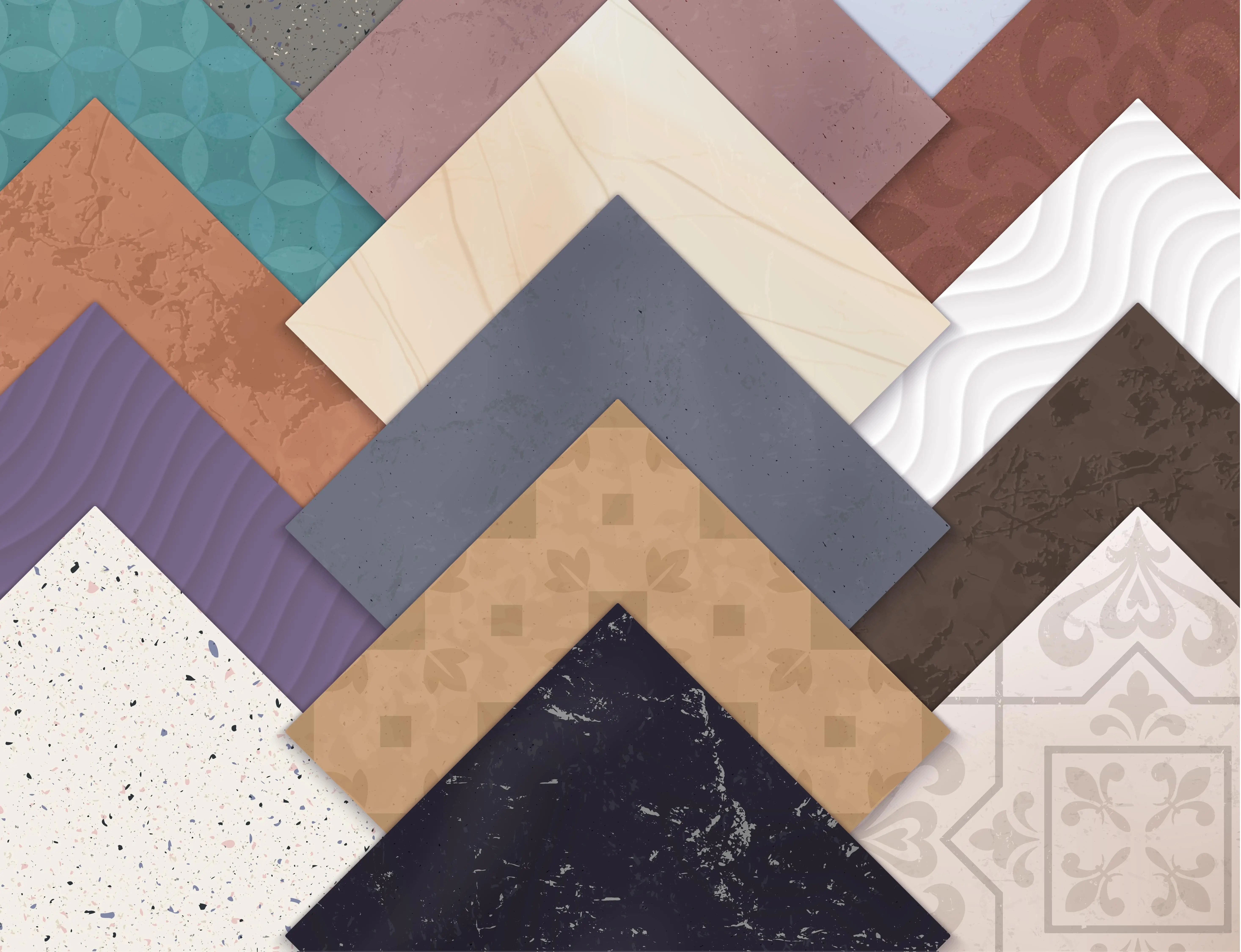
A cost breakdown of terrazzo vs tiles in Kenya shows a significant difference in total investment.
Standard ceramic tiles can be installed for as low as Ksh 1,500 per square metre, all-inclusive. In contrast, a properly installed terrazzo floor often requires over Ksh 2,800 per square metre because of its high labour demands.
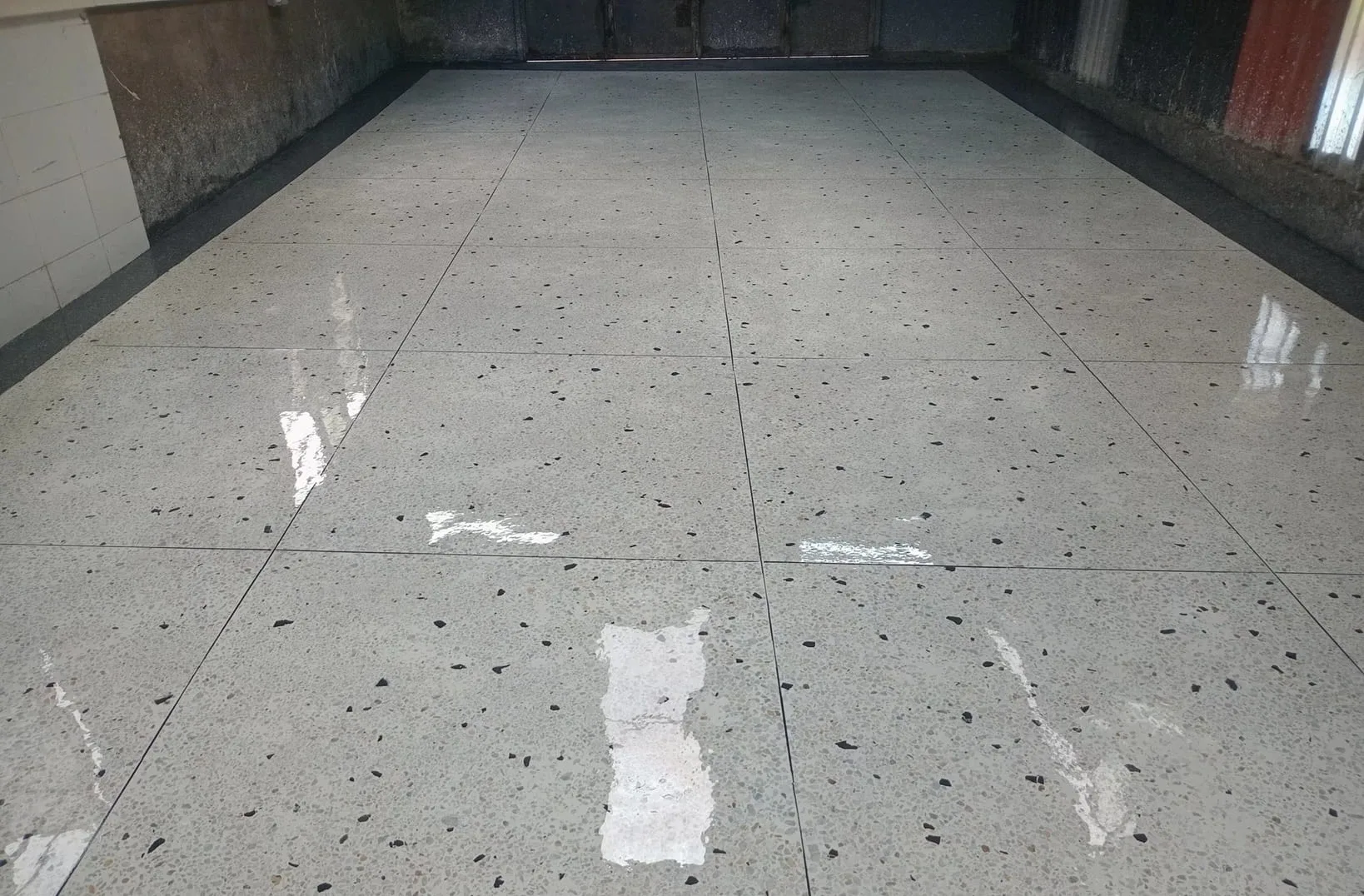
The decision for homeowners depends on a clear priority: protecting the immediate budget or investing in a durable, long-lasting surface built for the heavy foot traffic in a typical Kenyan household.
A simple comparison of cement bag prices versus tile box prices often misleads homeowners, who are later surprised by the weekly wages required to finish a terrazzo floor. You can browse a wide selection of flooring options in our online tile shop to get a better sense of material prices.
Comparing Upfront Material Costs for Terrazzo and Tiles
Ceramic tiles offer a transparent pricing model. The cost printed on the box is the primary material expense.
Budget-friendly local brands like Saj Ceramics or various Chinese imports are widely available in Nairobi hardware markets, with prices starting from approximately Ksh 900 per square metre for standard 30x30cm pieces.
These factory-finished units require only tile adhesive and grout to complete the material list, which makes budgeting predictable for renovation projects with fixed capital.
Terrazzo material costs appear deceptively low when viewed only as raw ingredients. A bag of cement and a sack of marble or granite chippings cost much less than a square metre of high-end porcelain.
This calculation, however, assumes an in-situ installation where wet concrete is poured on site. If you choose pre-manufactured terrazzo tiles to avoid the on-site mess, the material cost increases dramatically, positioning it as a luxury product.
| Material Type | Approx. Cost (Materials Only) per Sq. Metre | Availability |
|---|---|---|
| Standard Ceramic Tiles | Ksh 900 - 1,500 | High (Available everywhere) |
| Porcelain Tiles (High Traffic) | Ksh 1,800 - 3,500 | Medium (Specialized depots) |
| In-Situ Terrazzo (Raw Mix) | Ksh 800 - 1,200 | High (Raw materials) |
| Pre-Cast Terrazzo Tiles | Ksh 4,000+ | Low (Made to order) |
Understanding the Real Labour Costs of Tiling vs Terrazzo
The extended labour cost is the most significant factor homeowners overlook when choosing terrazzo. A skilled fundi can lay ceramic tiles in a standard living room within two days, requiring payment for a limited and predictable timeframe.
Once the adhesive sets and the grout is clean, the floor is ready for use. This keeps labour bills minimal and predictable.
Poured terrazzo transforms flooring into a small construction project. The process involves mixing, pouring, levelling, and curing, followed by several days of aggressive machine grinding to expose the stone chips.
You are not paying for a finished product; you are paying for weeks of daily wages, machine rental, and abrasive pads. This extended timeline often doubles the effective cost of tiling the same area.
Long-term Durability and Maintenance Requirements
Ceramic tiles, especially those with a glazed finish, provide an immediate barrier against stains. Their main vulnerability lies in the grout lines.
In kitchens where tomato-based stews or muddy boots are common, the cement-based grout absorbs grime and can discolour permanently. If a heavy pot falls and cracks a tile, the repair involves the difficult task of colour-matching and chiselling, which risks damaging adjacent tiles.
Terrazzo offers a monolithic surface with no grout lines to trap dirt, making it exceptionally hygienic for dining areas and corridors. Its structural integrity is immense; it does not chip or crack easily.
If surface scratches appear after years of use, a simple machine polish can restore the floor to its original condition. The initial cash outlay is higher, but the lifecycle cost of terrazzo over twenty years is often lower because it does not require total replacement.
Design Options and Aesthetic Impact of Terrazzo and Tiles
Modern printing technology allows ceramic and porcelain tiles to mimic natural wood, marble, or slate with impressive accuracy. A homeowner can choose a high-gloss white tile to bounce light around a dark room, instantly making the space feel larger.
Tiles offer limitless design gratification with consistent patterns that suit contemporary, minimalist Kenyan homes.
Terrazzo provides an organic, tactile warmth that manufactured tiles cannot replicate. The random distribution of granite or marble chips creates a unique visual texture that effectively hides dust and footprints between cleanings.
It also allows for custom designs using brass divider strips, enabling the creation of borders or patterns directly into the floor, a feature often used in grand entrances or high-end verandas.
Project Timelines and On-Site Logistics
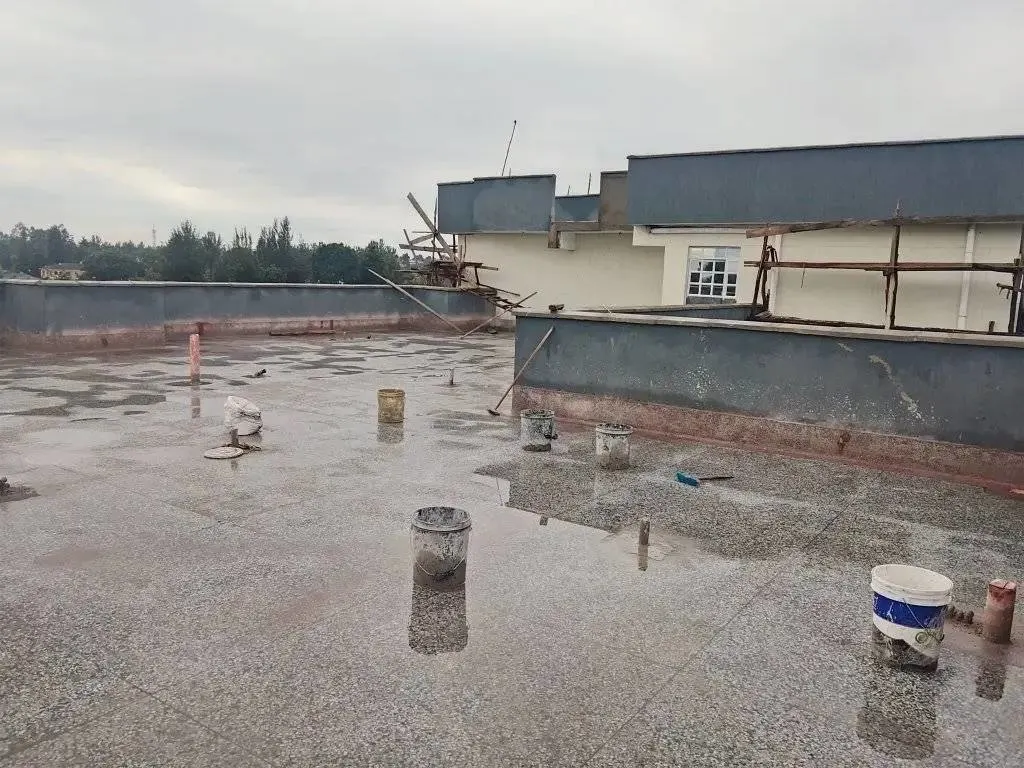
Project logistics can often dictate the choice of flooring material. If a family needs to move into a renovated house by the end of the month, terrazzo is not a viable option.
The wet mixture requires a significant curing period to prevent cracking, and rushing this process results in floor failure within a year. The noise and dust from the grinding phase also make the house uninhabitable during installation.
Tiling is the superior choice for inhabited homes or projects with tight deadlines. A fundi can work on one room while the family occupies another, with minimal disruption from dust and noise.
The rapid setting time of tile adhesive means furniture can usually be moved back into the room within 24 to 48 hours of grouting.
Environmental and Health Considerations for Flooring
Thermal mass is a critical factor for Kenya's varied climate. Terrazzo is essentially concrete, meaning it retains cold. In high-altitude areas like Limuru or Kericho, a terrazzo floor can feel uncomfortably cold to bare feet.
In the coastal heat of Mombasa, however, this same quality helps to passively cool the home.
Ceramic tiles are generally inert and do not emit Volatile Organic Compounds (VOCs), making them a safe choice for individuals with allergies.
The environmental cost of manufacturing and shipping heavy tiles from overseas is a factor. Terrazzo often uses locally sourced cement and stone aggregates, reducing the carbon footprint from transportation, although cement production itself remains energy-intensive.
In-Situ Terrazzo vs Pre-Cast Terrazzo Tiles Analysis
A clear distinction between "poured" (in-situ) and "pre-cast" terrazzo is vital for accurate budgeting.
Poured terrazzo is the traditional method involving wet cement, while pre-cast refers to factory-made tiles that install like ceramics. The cost difference between these two is drastic.
In-Situ Poured Terrazzo Installation
In-situ installation is the most common form of terrazzo in Kenya, valued for its joint-free finish. It is labour-intensive but uses cheaper materials. This method allows the floor to level out uneven concrete subfloors, acting as both a screed and a finish.
The process is messy, involving slurry and wet grinding, but it achieves the classic, durable floor that lasts for decades.
Pre-Cast Terrazzo Tiles Installation
Pre-cast terrazzo tiles are a luxury product for those who want the look of stone chips without the on-site grinding mess. They are heavy, durable, and come with a premium price tag. Because they are factory-finished, the installation is fast, but the material cost per piece is high.
- Small (30x30 cm): Ksh 1,200 per piece
- Medium (45x45 cm): Ksh 2,000 per piece
- Large (60x60 cm): Ksh 3,500 per piece
Calculating Total Installed Cost for Terrazzo Types
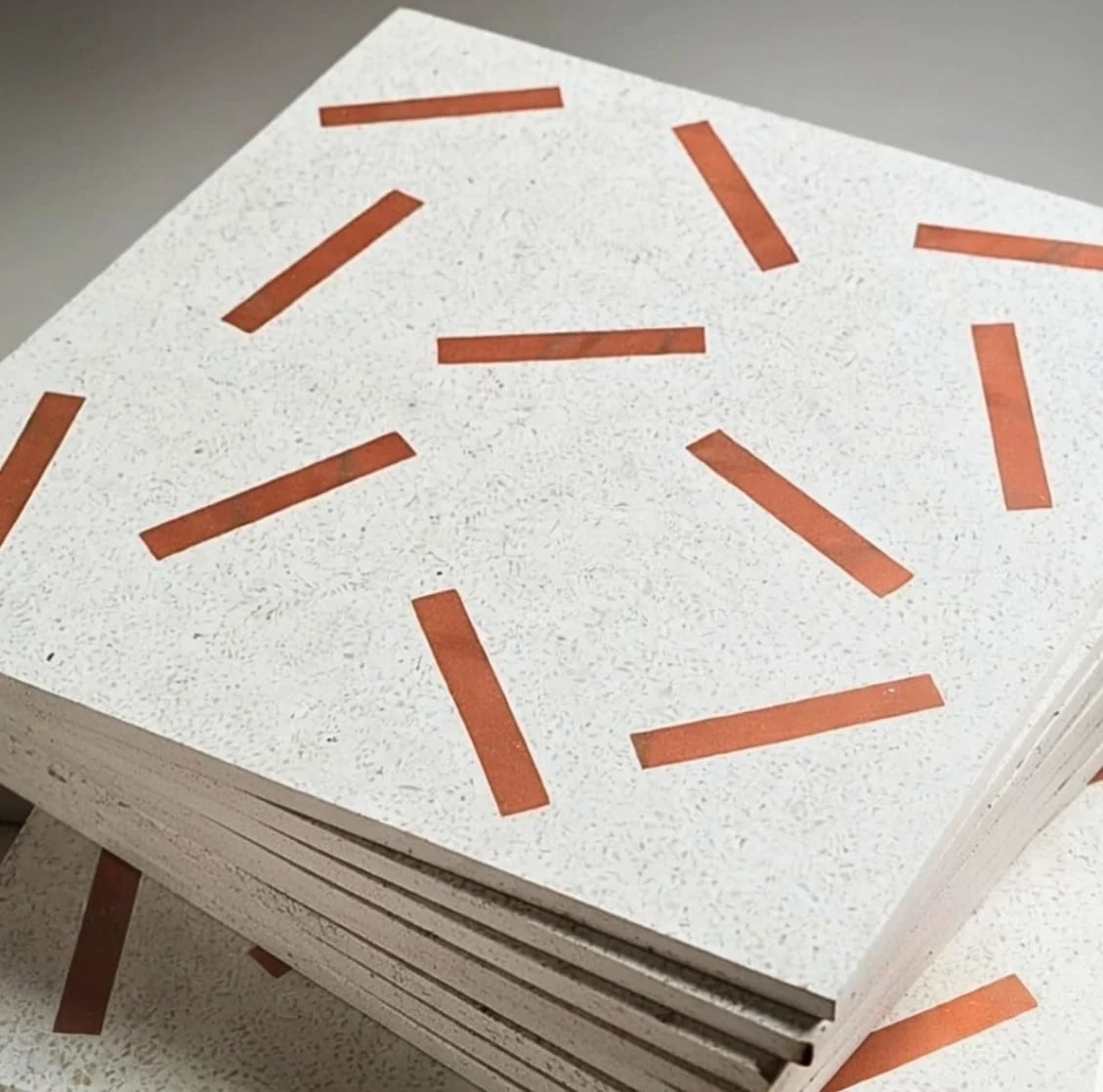
When calculating the final bill, pre-cast options become significantly more expensive than standard tiling. For a 60x60cm pre-cast terrazzo tile at Ksh 3,500 per piece, approximately 2.7 pieces are needed to cover one square metre.
This brings the material cost alone to over Ksh 9,000 per square metre, excluding labour and adhesive.
In contrast, in-situ poured terrazzo typically averages between Ksh 2,500 and Ksh 3,500 per square metre for the complete job, including materials and labour.
The mathematics of coverage makes poured terrazzo the more economically viable option for large floor areas, provided the project timeline allows for the lengthy installation process.
| Feature | Ceramic Tiles | In-Situ Terrazzo |
|---|---|---|
| Total Installed Cost | Low to Medium (Ksh 1,500 - 4,500/sqm) | Medium (Ksh 2,800 - 4,000/sqm) |
| Installation Time | Fast (1-3 days per room) | Slow (1-3 weeks per area) |
| Durability | Good (can chip or crack under impact) | Excellent (monolithic and highly resistant) |
| Maintenance | Easy to clean surface; grout lines stain | Very easy; no grout lines; can be polished |
| Best For | Quick renovations, rental units, tight budgets | Long-term homes, high-traffic areas, custom designs |
Designer's Verdict
If your project is a rental unit or a quick renovation with a firm move-in date, ceramic tiles are the pragmatic winner due to their speed and predictable cost.
However, for a long-term "forever home" where a unique, joint-free floor that withstands heavy use and can be restored decades later is desired, in-situ terrazzo is worth the higher initial investment and messy installation process.