Managing a home renovation involves hundreds of decisions, but the clarity of your budget often determines the final quality.
Confusion is common when invoices arrive with cryptic codes instead of clear product names.
Understanding the Twyford tiles price list is crucial for deciphering these codes, ensuring you pay for the exact grade of porcelain or ceramic specified for your project.
Common Twyford Tile Codes like FGP and PMCP
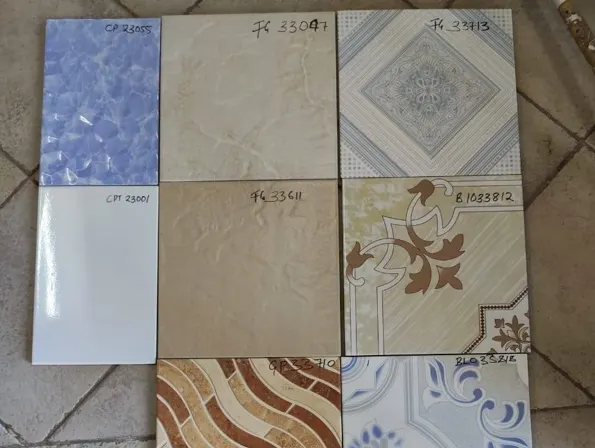
Tile packaging and invoices rarely use plain English. Instead, you will find shorthand like FGP, FGB, or PMCP.
These codes are not random; they denote the manufacturing process, size, and intended use. FGP generally refers to "Floor Glazed Porcelain." This is the workhorse of the Kenyan flooring market, offering a functional balance between density and aesthetic appeal.
Codes like PMCP often indicate specific treatments, such as "Polished Micro Crystal Porcelain," which provides a high-gloss finish.
Recognising these distinctions prevents costly mix-ups where a softer wall tile, which is more prone to cracking under weight, is accidentally installed in a high-traffic hallway.
How Tile Codes Indicate Material Quality and Durability
The code on the box dictates how the material performs under stress. Porcelain tiles (often coded with 'P' variations) are fired at higher temperatures than ceramic, resulting in a dense, vitrified body that resists water absorption (less than 0.5%).
When you drop a heavy sufuria in a busy kitchen, a porcelain tile is far less likely to chip or crack.
Ceramic tiles are typically lighter and better suited for walls, where they are not subjected to foot traffic or heavy impacts. Using a ceramic-coded tile on a floor often results in surface crazing (a network of fine spiderweb cracks in the glaze) within the first year.
The code tells you if a tile can handle the daily stomp of muddy school shoes or if it is purely decorative.
The Budgetary Impact of Tile Codes and How to Avoid Overcharging
This is where most homeowners face financial risk. A common tactic used by dishonest contractors involves quoting for a premium product but purchasing a standard grade. By knowing the codes, you can audit your quotes and invoices effectively.
Typical Twyford Tile Pricing Tiers
Price differences between codes are significant. The table below outlines a typical price structure in the local market, helping you distinguish fair value from inflated pricing.
| Tile Code | Material Type | Typical Price (KSh per square metre) | Common Application |
|---|---|---|---|
| FGP | Standard Floor Porcelain | ~1,080 / sqm | General living areas, bedrooms. |
| FGE / PMCP | Premium / Polished Porcelain | ~1,500 - 1,800 / sqm | High-end finishes, commercial spaces, heavy traffic zones. |
| Ceramic (Wall) | Standard Ceramic | ~700 - 900 / sqm | Bathroom walls, kitchen backsplashes. |
Red Flags for Potential Overcharging
A classic fundi trick is quoting KSh 1,500 per square metre (implying a premium selection) but supplying standard FGP tiles that retail for KSh 1,080.
If your invoice lists a generic "Floor Tile" at a premium price, but the boxes delivered are stamped FGP, you are paying a 40% markup for standard goods.
Always demand the supplier code is listed on the initial quote, not just the final receipt.
A Buyer's Checklist for Verifying Tile Codes on Delivery
Verification requires a physical check before the first tile is laid. When the delivery truck arrives, follow these steps:
- Check the Product Code: Pull a random box from the stack. The code printed on the side (e.g., FGP60xxxx) must match the code on your invoice exactly. A single letter difference, like FGP versus FGE, changes the product's value and performance.
- Verify the Shade and Tone: Look for a "Tone" or "Shade" code on the box. Even with a matching product code, tiles from different production batches can have slight colour variations. Installing mixed batches results in a patchwork floor that ruins the visual continuity of a room.
- Inspect for Defects: Open a box and check for obvious defects like chipped corners or warped surfaces. It is easier to reject a delivery than to deal with faulty products after installation has begun.
How Tile Finishes Affect Your Room's Look and Feel
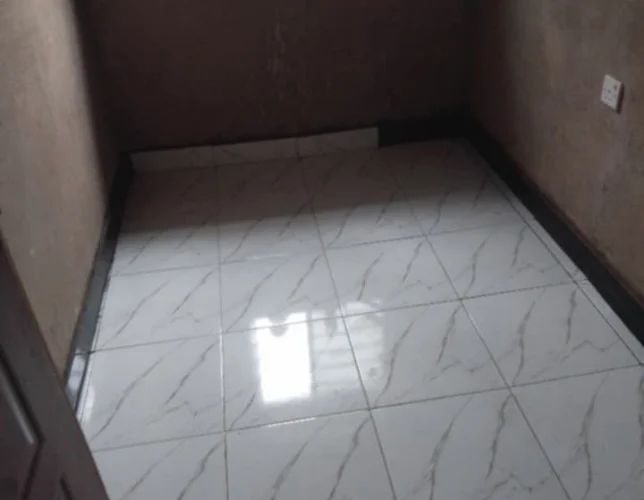
Codes also give clues about the tile's finish, which dictates the tactile and visual experience of the room. The finish affects how light reflects off the floor and how the surface feels underfoot.
The Role of Gloss, Matte, and Textured Finishes
Glossy finishes (often linked to Polished codes like PMCP) reflect light, making compact Nairobi apartments feel more spacious and airy. However, they become extremely slippery when wet, making them a hazard for bathrooms or entryways.
Matte or rustic finishes absorb light, offering a grounded, warm texture that provides essential grip in wet areas like shower floors and balconies.
Matching the Finish to the Design
Selecting the right code ensures your design intent becomes reality. A "Wood Effect" tile should provide the visual warmth of timber without the risk of termite damage common in Kenya. High-gloss codes create a modern, clean look ideal for kitchens, allowing you to wipe away tomato sauce splashes and oil spills without staining the grout lines.
Using Tile Codes to Negotiate and Ensure Value for Money
Armed with specific product codes, you become a smarter negotiator.
Instead of asking for "white floor tiles," call three different hardware stores and ask for the current price of "Twyford FGP 60x60 Super White."
This specificity compels retailers to provide their actual shelf price rather than an inflated estimate for a generic query. When you know the exact Twyford tiles you need, you can leverage bulk orders (e.g., 100 square metres) for significant discounts.
How to Identify and Avoid Second Grade Twyford Tiles
Not all tiles that leave the factory are perfect. "Second Grade" or "B-Grade" tiles have minor defects and are sold at a discount, but they are often passed off to unsuspecting clients at full price.
Identifying Differences Between Tile Grades
First-grade boxes are uniform and clearly marked. Second-grade boxes may be plain or have stickers indicating defects. The tiles themselves often suffer from "lippage"—a slight warp in the body.
When laid, one corner of the tile sits higher than its neighbour, creating an uneven surface and a constant toe-stubbing hazard that grout cannot fix.
The Long-Term Cost of Second Grade Tiles
Saving a few shillings on lower-grade tiles leads to higher costs later. The glaze on B-grade tiles may wear thin in high-traffic walkways within a few years, exposing the dull clay body underneath.
Replacing a failed floor involves hacking up the old surface, damaging skirting boards, and generating immense dust (a renovation nightmare that far outweighs the initial savings).
Essential Installation and Maintenance Practices
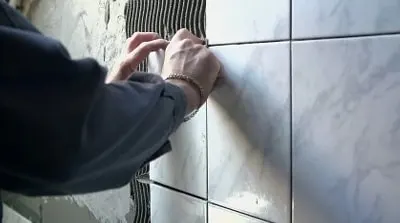
Even the most expensive PMCP tile will fail if installed poorly. The quality of the installation is as important as the quality of the tile itself.
Ensuring Professional Tile Installation
A professional installer ensures the substrate (screed) is perfectly level before starting. They must use the correct tile adhesive for the tile type, as porcelain requires a stronger bond than ceramic.
For large format tiles (600mm x 600mm and up), the installer should "back-butter" each piece (applying adhesive to both the floor and the back of the tile) to ensure 100% coverage and prevent hollow spots.
Maintaining the Lustre of Your Tiles
Porcelain is robust, but its glaze requires proper care. Avoid using harsh, acidic cleaners, which can etch the surface over time, making it porous and prone to staining.
A simple mixture of warm water and a pH-neutral cleaner is sufficient to lift grime and keep the finish intact for decades.
Sourcing Authentic Twyford Tiles in Kenya
Purchasing from reputable dealers is the best way to mitigate the risk of counterfeit or mislabeled goods. Authentic distributors maintain direct relationships with the factory and can guarantee the quality of their stock.
Official Distributors and Reputable Retailers
Major hardware hubs, such as those along Mombasa Road in Nairobi, and authorized dealers in major towns carry the full range of authentic products.
Buying from a roadside stockist increases the risk of receiving mixed batches or second-grade returns that have been repackaged as first-grade.
Comparing Price Lists for the Best Deal
Visit at least three showrooms. Take photos of the price tags, ensuring the product codes are visible. Create a simple comparison list.
Remember to ask about transport costs, as larger depots often offer free delivery for bulk orders, a significant saving that affects the final bottom line.
Designer's Verdict: The difference between a successful renovation and a costly mistake often lies in the details.
By learning to decode the Twyford price list and understanding that codes like FGP represent a specific quality baseline, you protect your budget and ensure your home's finish is built to last.
Quick Comparison Ceramic vs Porcelain Tiles
| Characteristic | Porcelain Tiles | Ceramic Tiles |
|---|---|---|
| Water Absorption | Extremely low (<0.5%) | Higher (3% - 7%) |
| Durability & Density | Very high; suitable for all traffic levels, including commercial. | Moderate; best for light traffic areas and walls. |
| Cost | Higher initial cost per square metre. | More budget-friendly. |
| Primary Use | Floors (interior & exterior), high-traffic areas, wet rooms. | Walls, kitchen backsplashes, low-traffic residential floors. |